Blog
Articles about privacy, VPN technology, internet freedom, and security.
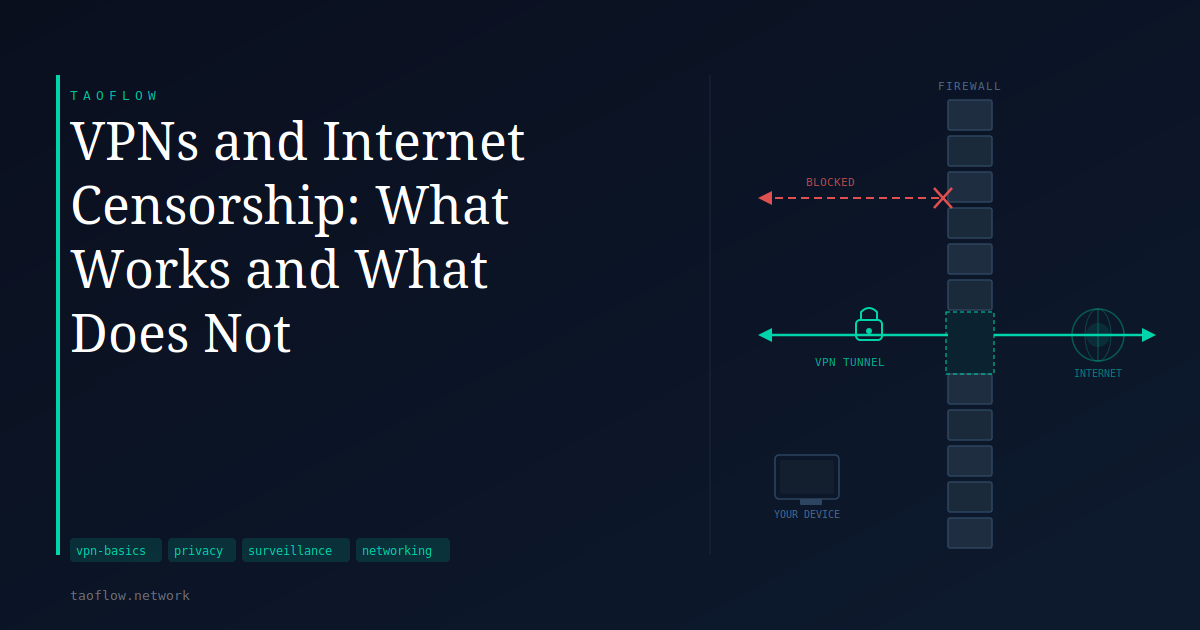
VPNs and Internet Censorship: What Works and What Does Not
Internet censorship operates at different layers, and a VPN addresses some of them well and others not at all — here is what actually works.
VPN Use Cases for Journalists and Researchers
A VPN is one useful layer for journalists and researchers — here is where it helps, where it falls short, and what to combine it with.
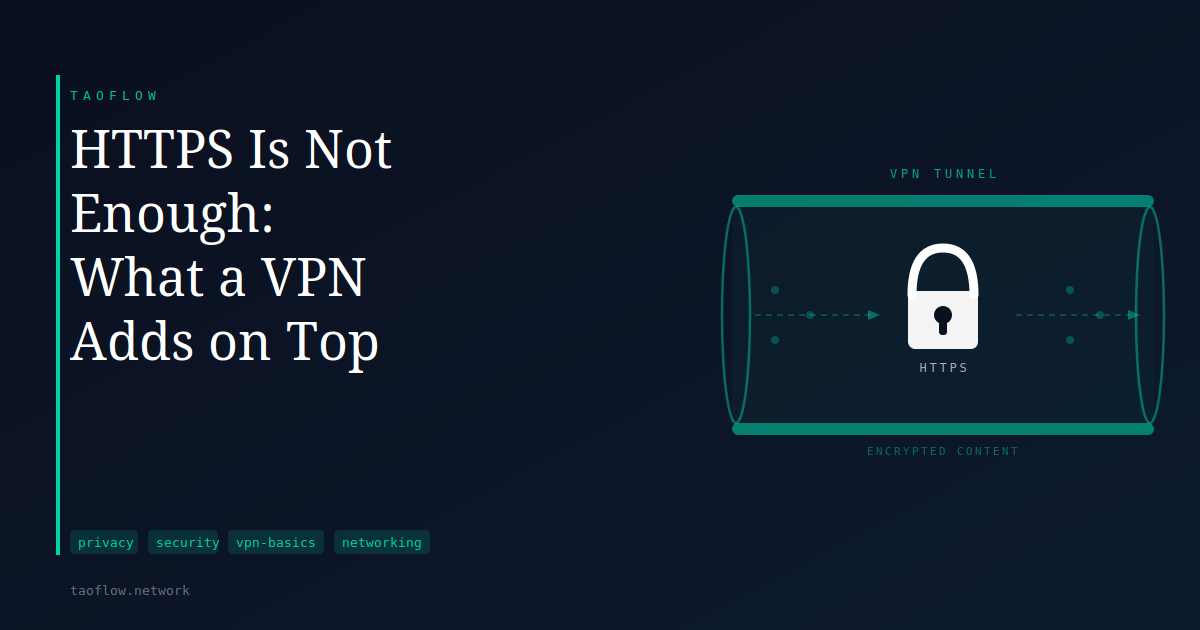
HTTPS Is Not Enough: What a VPN Adds on Top
HTTPS encrypts the content of your web traffic, but your ISP and other observers can still learn a lot about you. A VPN fills some of those gaps.
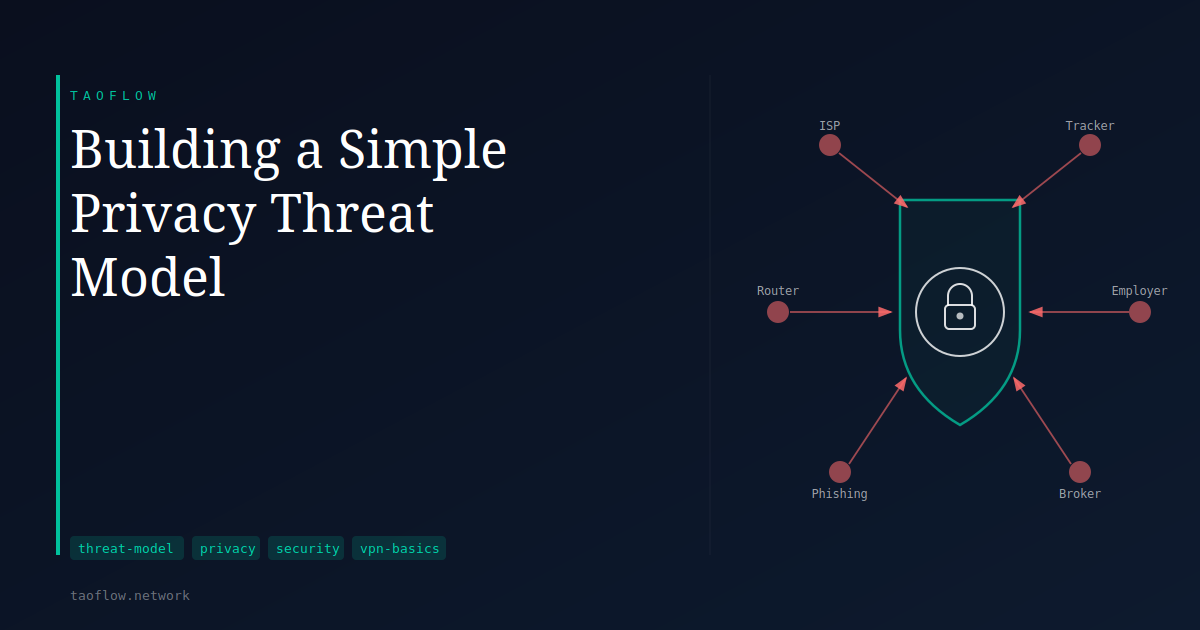
Building a Simple Privacy Threat Model
A threat model is not a formal document — it is three questions that help you choose the right privacy tools for your actual situation.
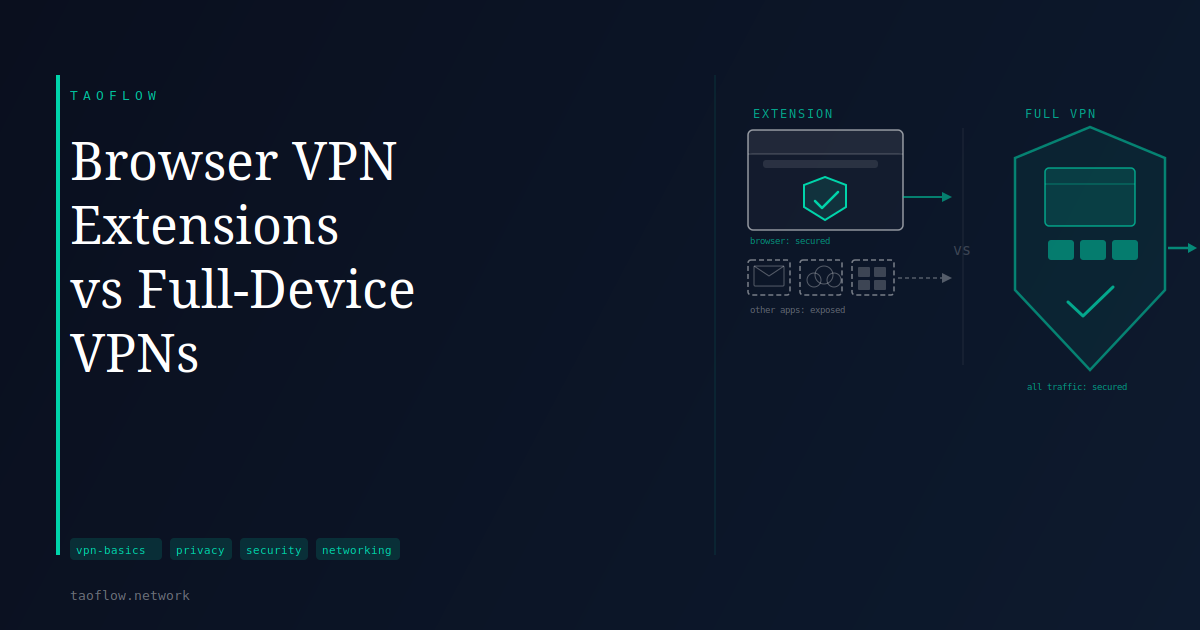
Browser VPN Extensions vs Full-Device VPNs
Browser VPN extensions protect only your web browser traffic. A full-device VPN covers every application on your system—here is what each approach does and where each falls short.
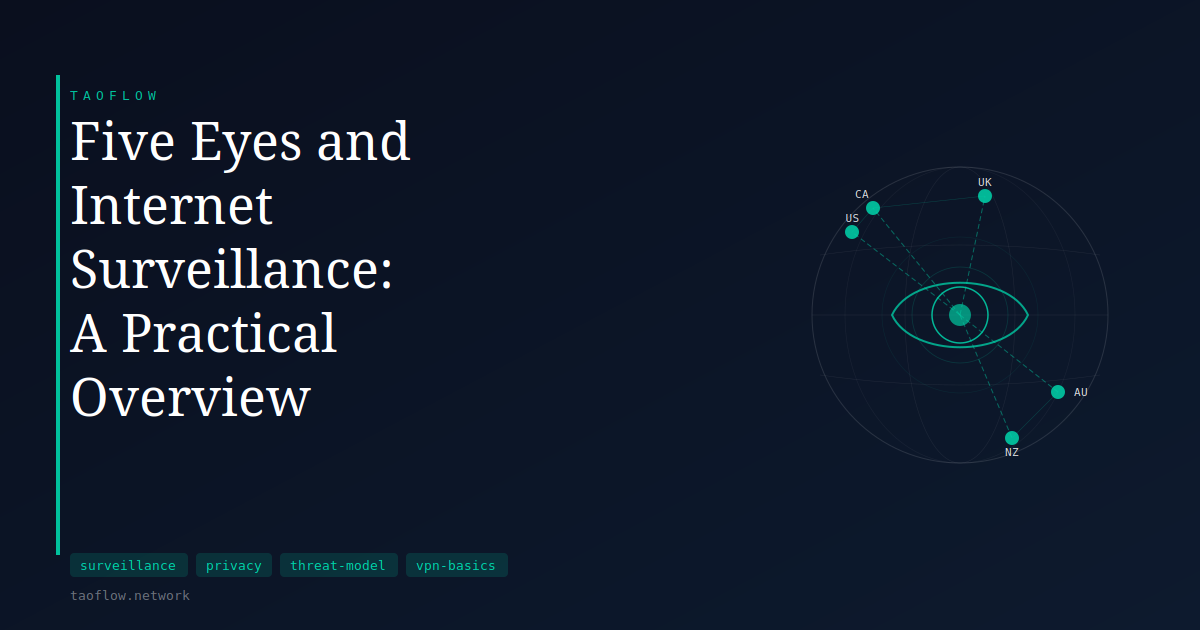
Five Eyes and Internet Surveillance: A Practical Overview
The Five Eyes intelligence-sharing alliance shapes which legal frameworks apply to VPN providers and what surveillance of internet traffic is possible.
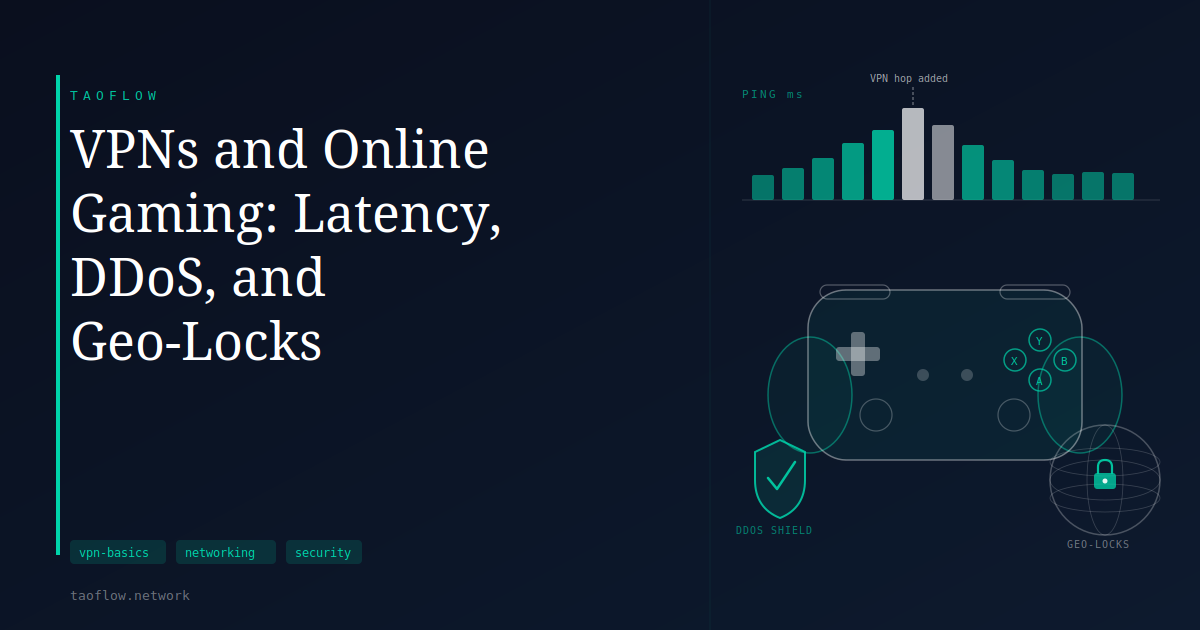
VPNs and Online Gaming: Latency, DDoS, and Geo-Locks
VPNs affect gaming in three distinct ways — latency overhead, DDoS protection, and regional access. Here is what actually changes and when a VPN helps.
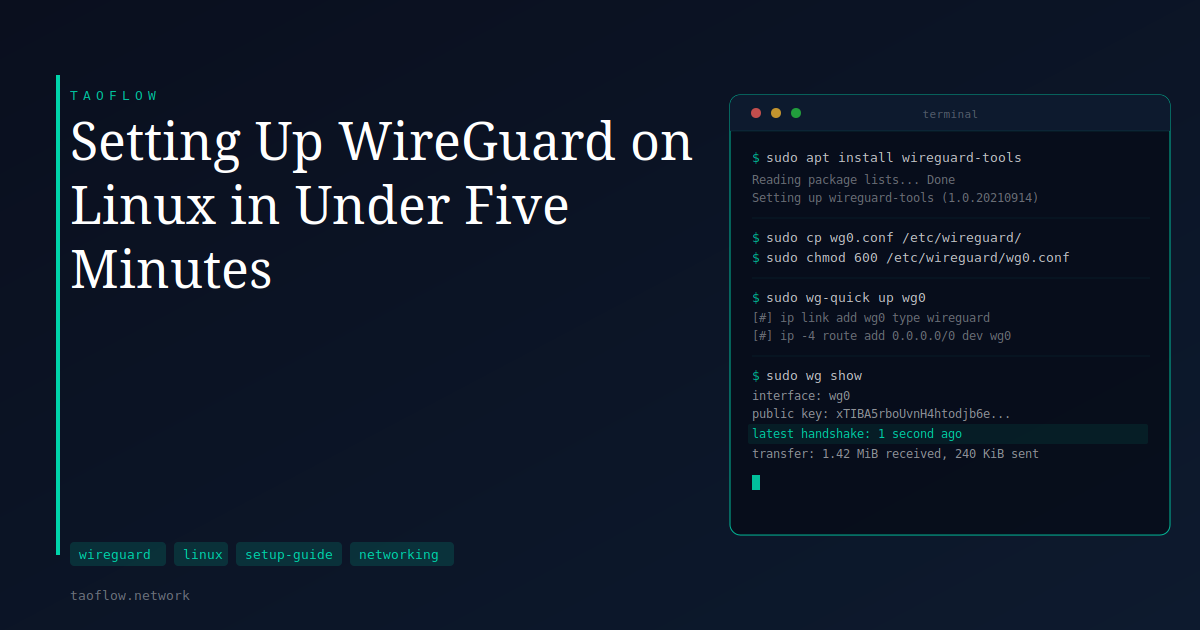
Setting Up WireGuard on Linux in Under Five Minutes
A step-by-step guide to connecting WireGuard VPN on Linux using wg-quick and systemd, from config file to running tunnel.
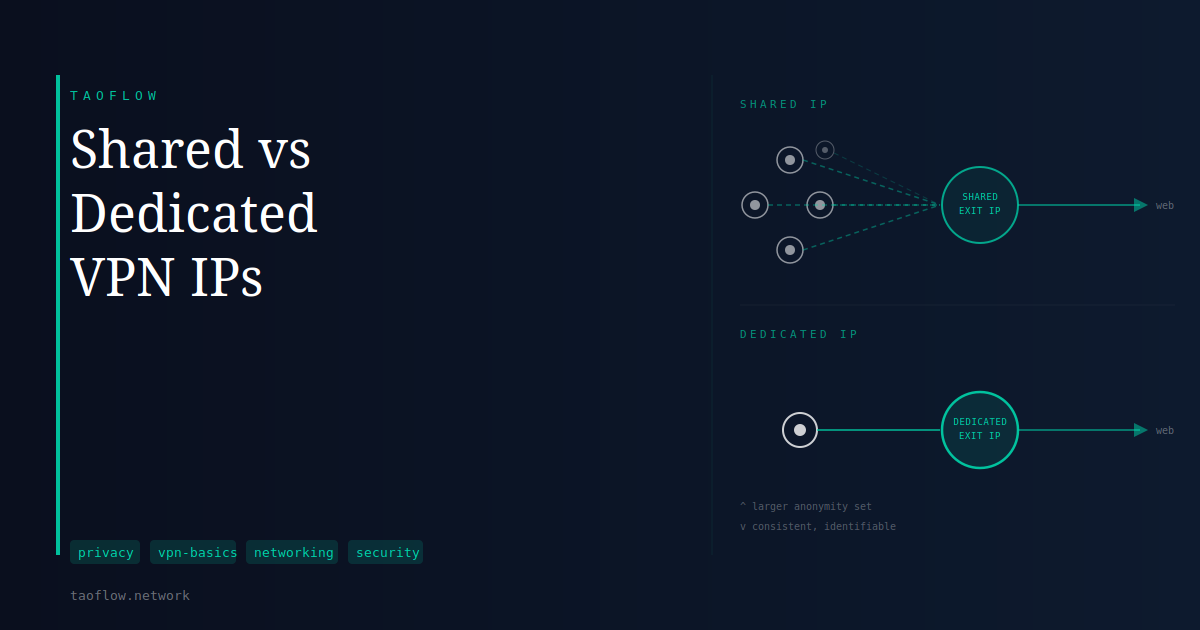
Shared vs Dedicated VPN IPs: Privacy Trade-offs
Shared VPN IP addresses blend your traffic with other users for better anonymity, while dedicated IPs offer consistency at the cost of a smaller anonymity set.
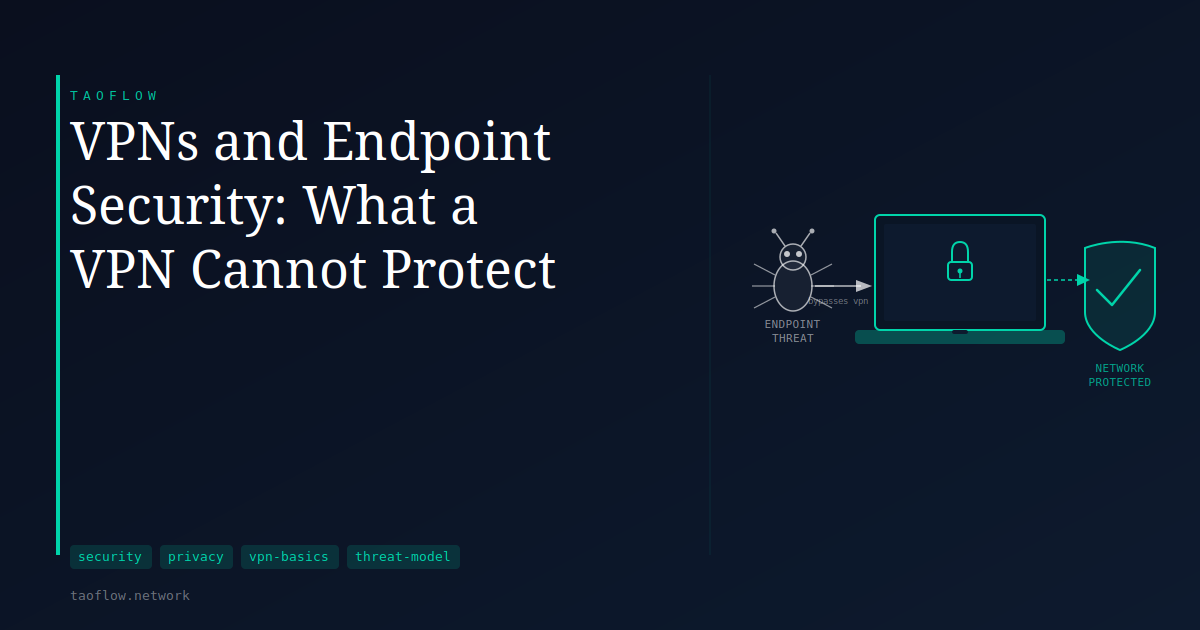
VPNs and Endpoint Security: What a VPN Cannot Protect
A VPN encrypts your network traffic and hides your IP, but it cannot protect against malware, browser fingerprinting, logged-in accounts, or unpatched software on your device.
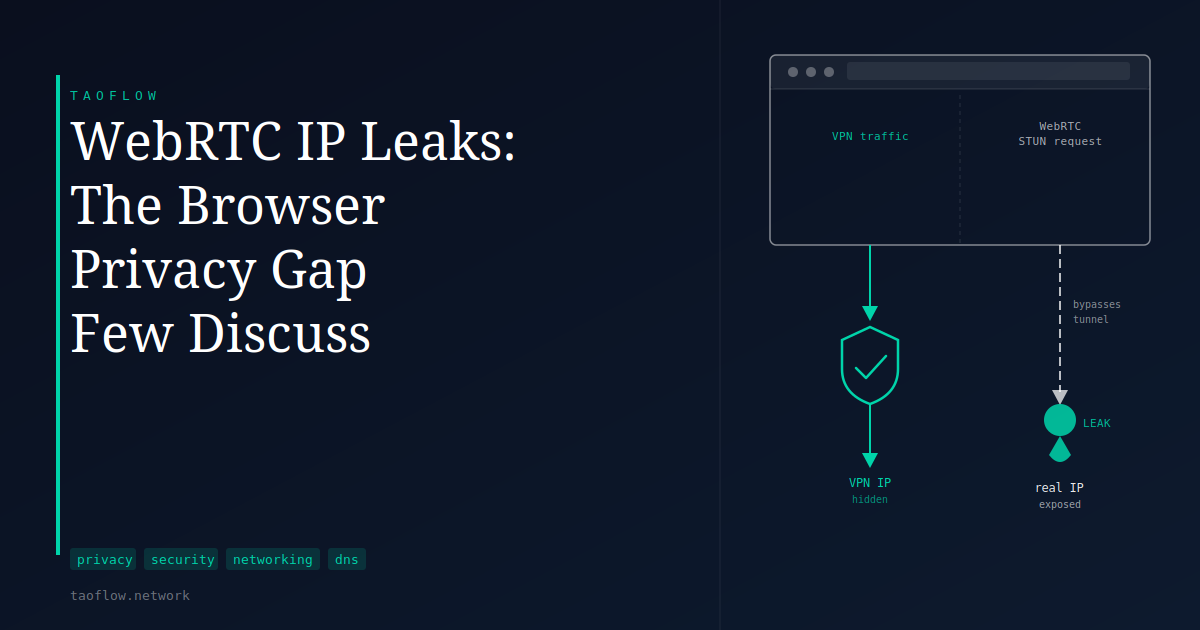
WebRTC IP Leaks: The Browser Privacy Gap Few Discuss
WebRTC can reveal your real IP address to websites even when you are connected to a VPN — here is how the leak works and how to address it.
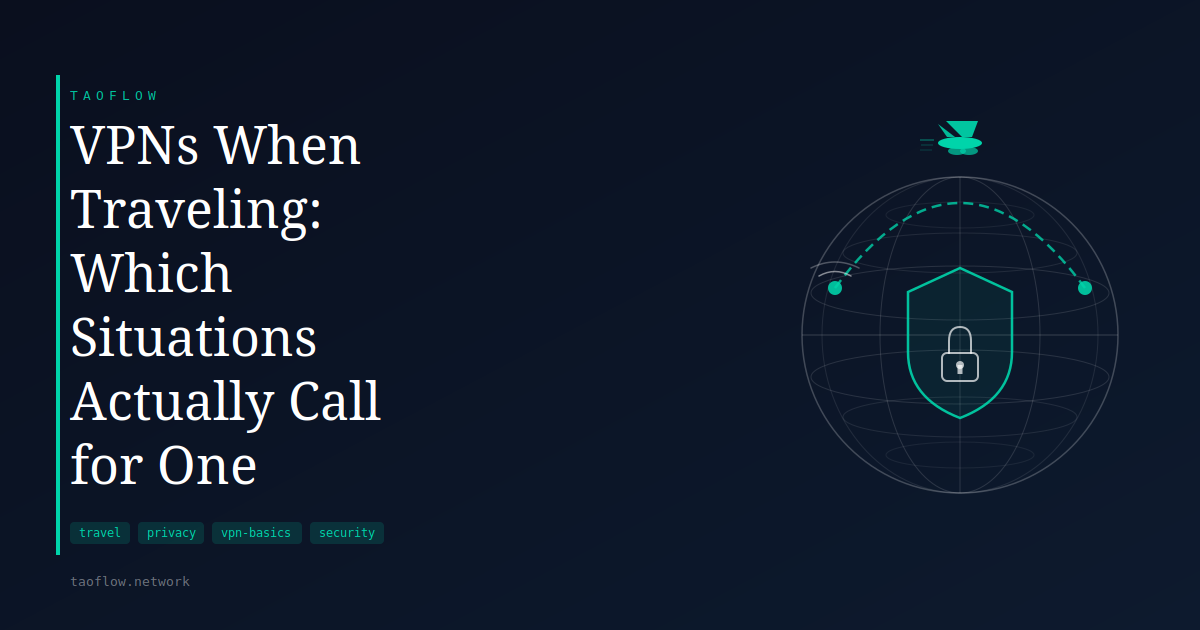
VPNs When Traveling: Which Situations Actually Call for One
A clear-eyed look at when a VPN is genuinely useful while traveling and when other precautions matter more.
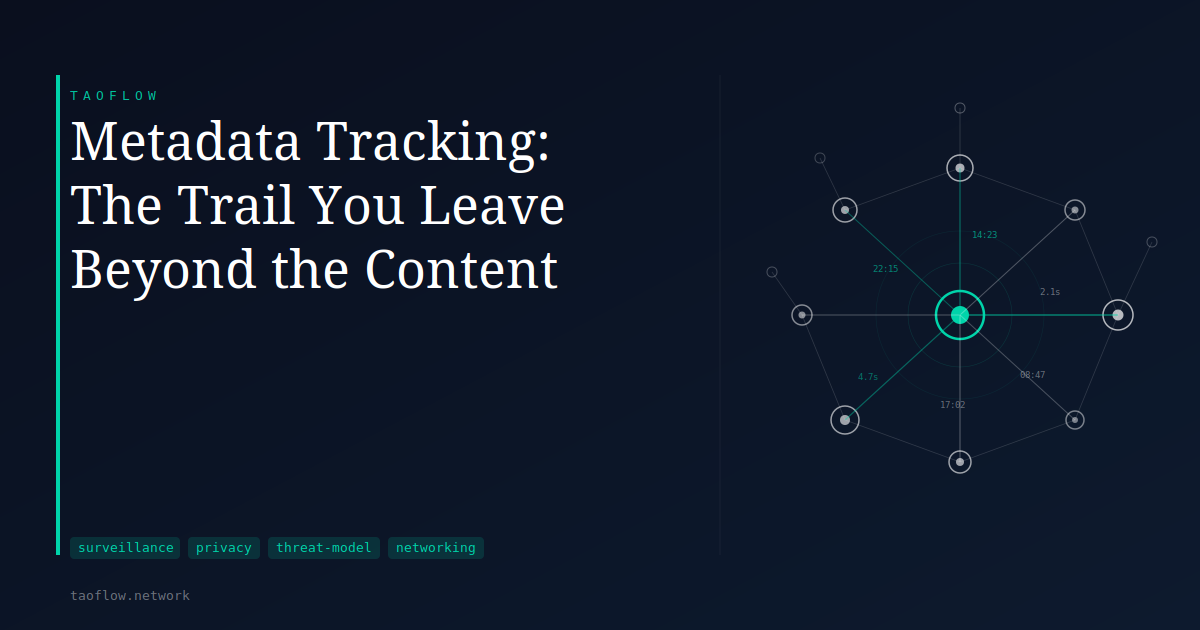
Metadata Tracking: The Trail You Leave Beyond the Content
When communications are encrypted, the metadata—who, when, and how often—still tells a story. Here is what metadata is and why it matters for privacy.
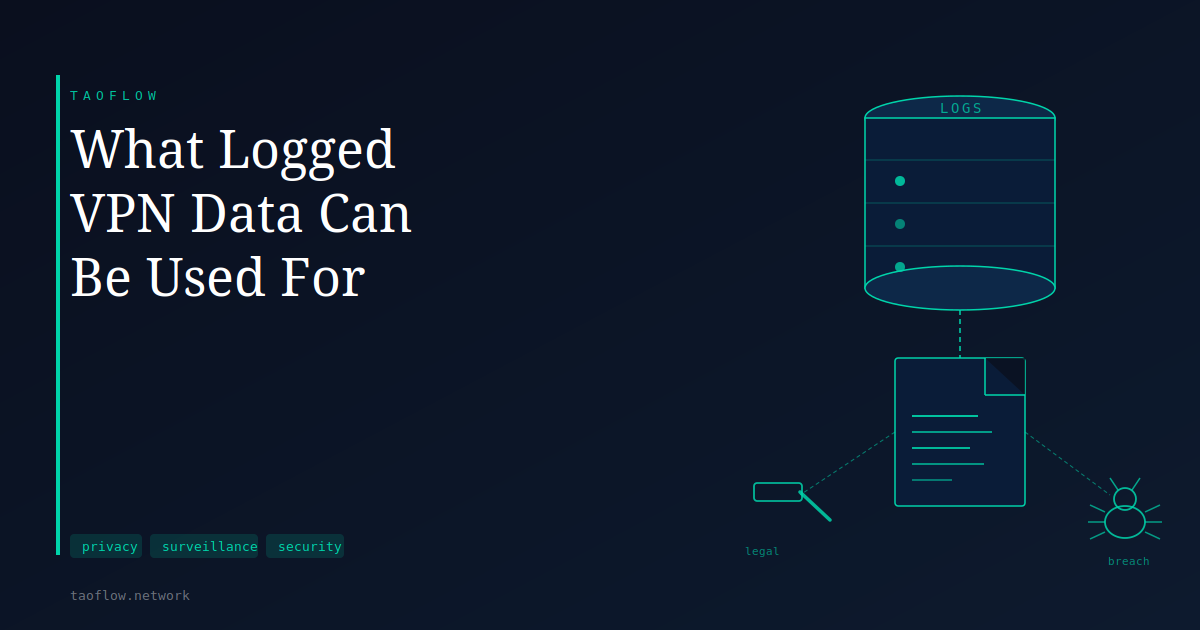
What Logged VPN Data Can Be Used For
When a VPN provider keeps logs, those records can surface through legal requests, data breaches, or IP correlation — what VPN logs actually contain and why it matters.
No Account Required: How Token-Based VPN Access Works
Token-based VPN access lets you connect without creating an account — here is how bearer tokens work, what they protect, and where their limits lie.
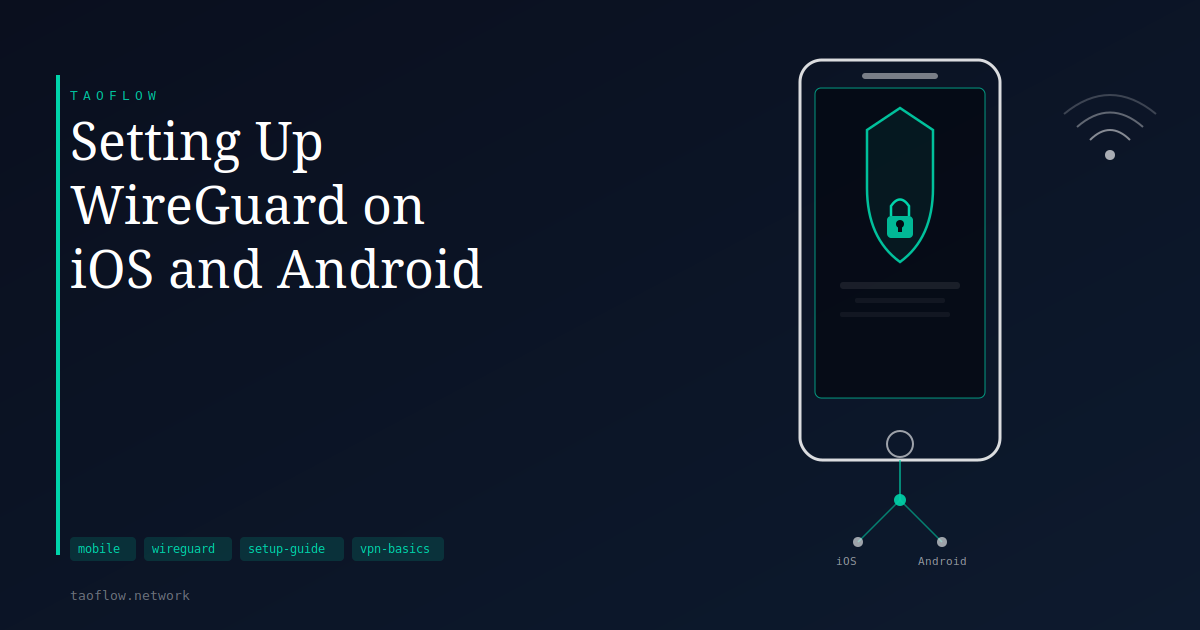
Setting Up WireGuard on iOS and Android
A step-by-step guide to installing WireGuard on iOS and Android, importing your config, and verifying the connection works correctly.
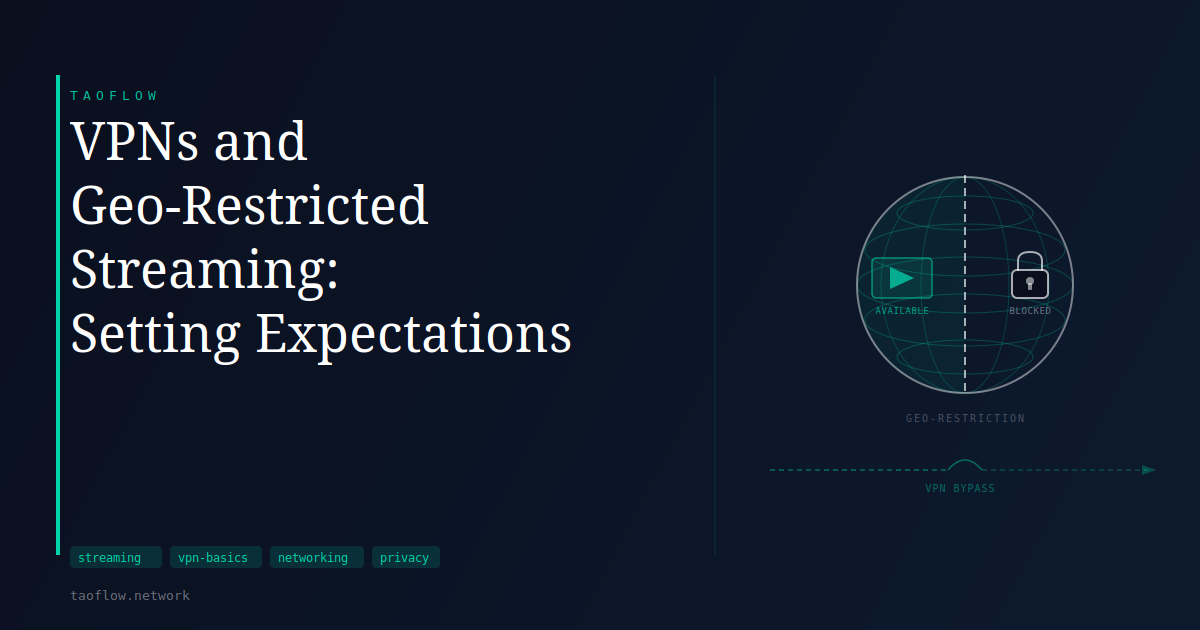
VPNs and Geo-Restricted Streaming: Setting Expectations
A VPN can help with geo-restricted streaming, but results vary by platform and provider. Here is what to expect and how to improve your chances.
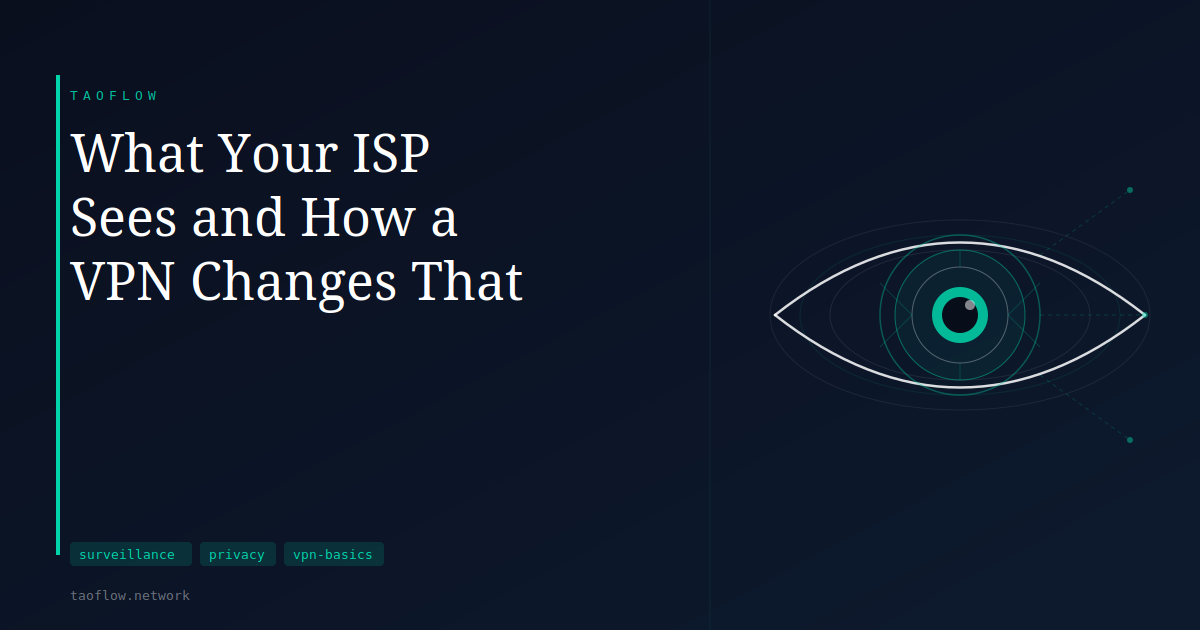
What Your ISP Sees and How a VPN Changes That
Your ISP can see which sites you visit, when, and for how long — a VPN encrypts that traffic, but shifts trust rather than eliminating it.
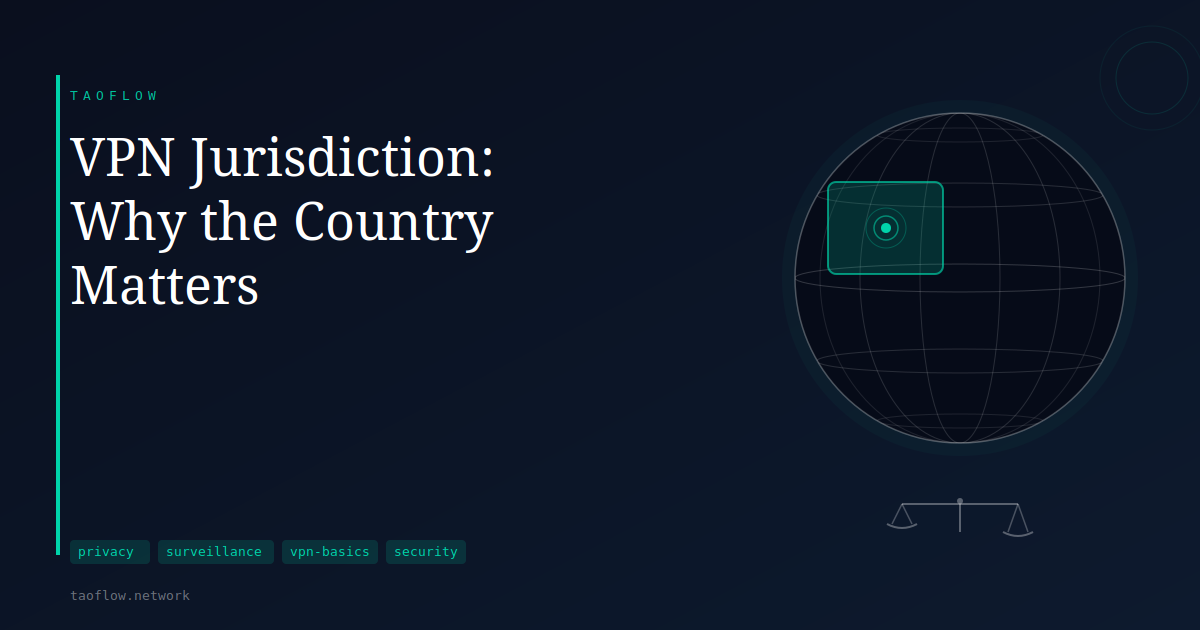
VPN Jurisdiction: Why the Country Matters
Where a VPN provider is legally based determines which courts can compel it to hand over data—here is what jurisdiction actually means for your privacy.
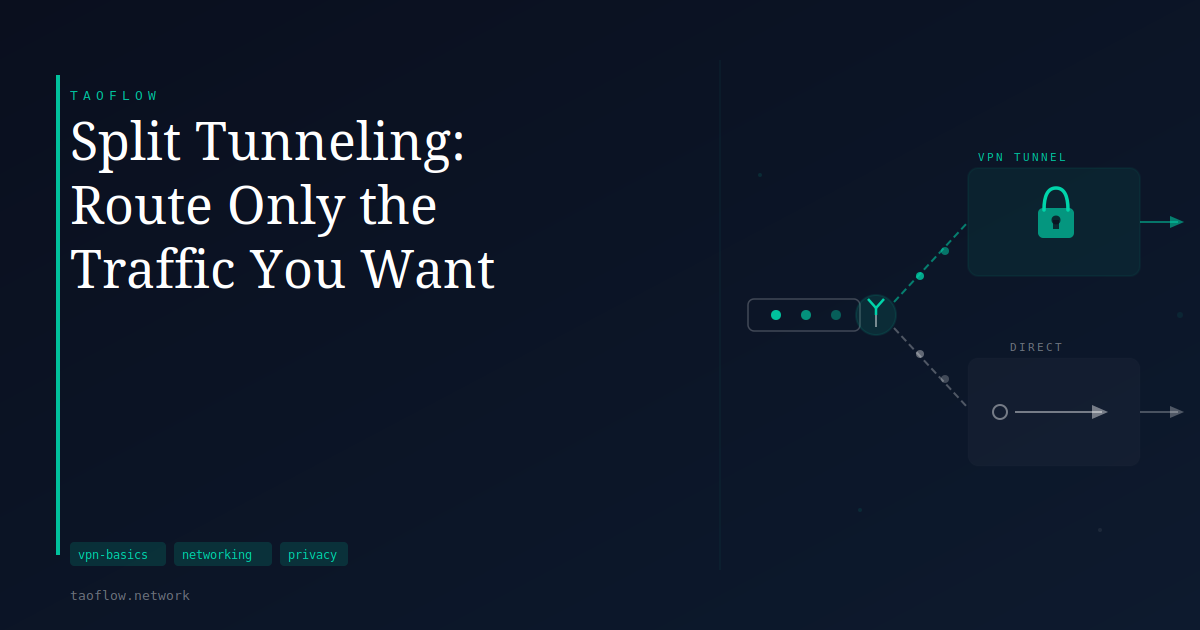
Split Tunneling: Route Only the Traffic You Want
Split tunneling lets you choose which apps or traffic go through your VPN and which connect directly, giving you control over privacy, speed, and access.
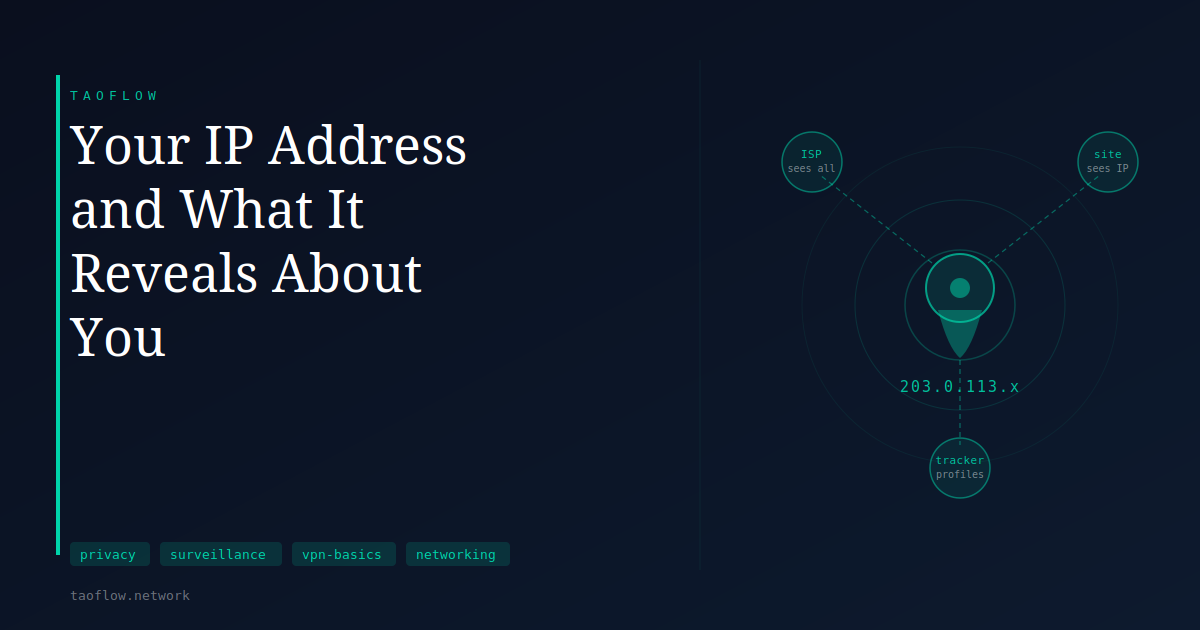
Your IP Address and What It Reveals About You
Your IP address is visible to every website you visit — here is what it actually reveals about you, and how a VPN changes that picture.
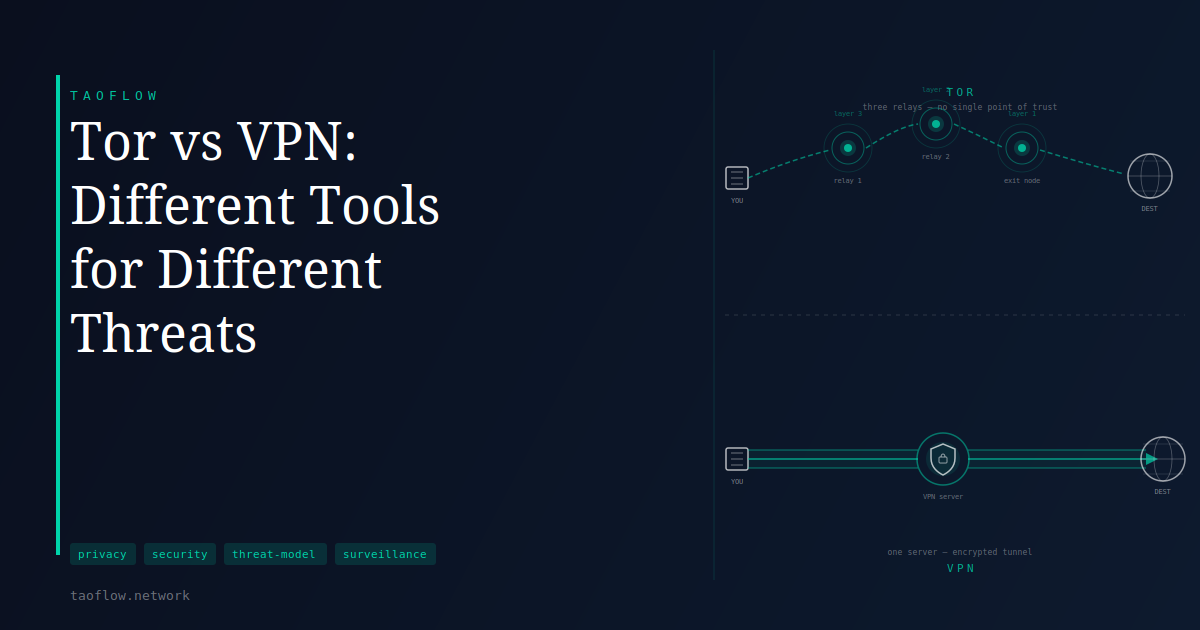
Tor vs VPN: Different Tools for Different Threats
Tor and VPNs both hide your traffic, but they protect against different threats. Understanding the difference helps you choose the right tool.
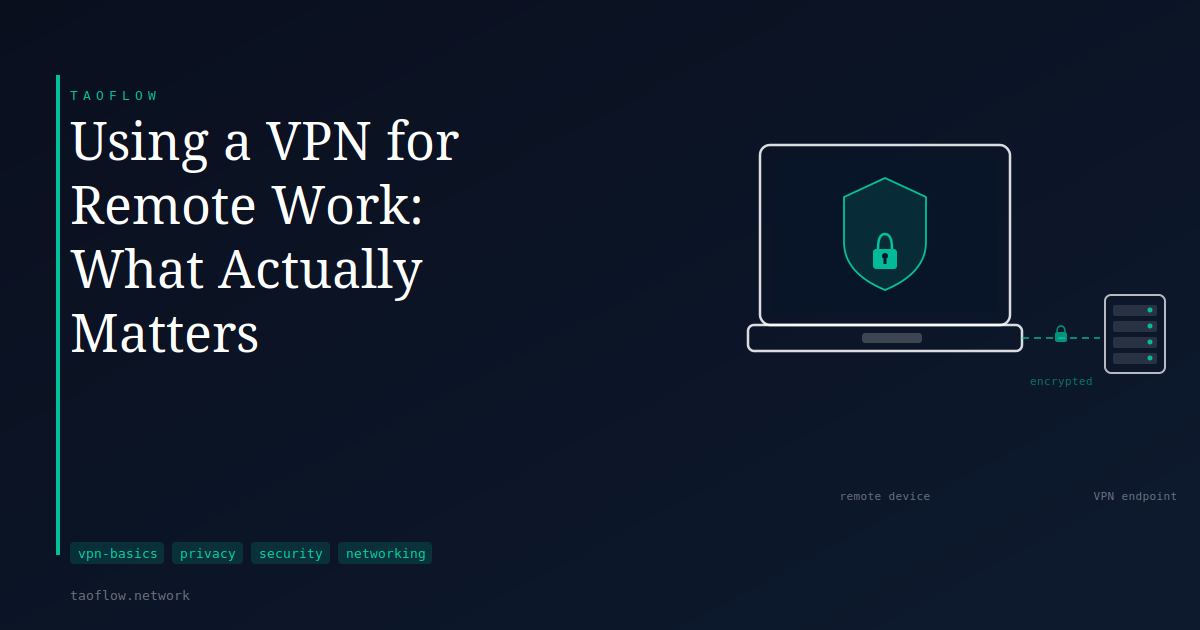
Using a VPN for Remote Work: What Actually Matters
Remote workers encounter two types of VPNs with different purposes — understanding which does what helps you use each one appropriately.
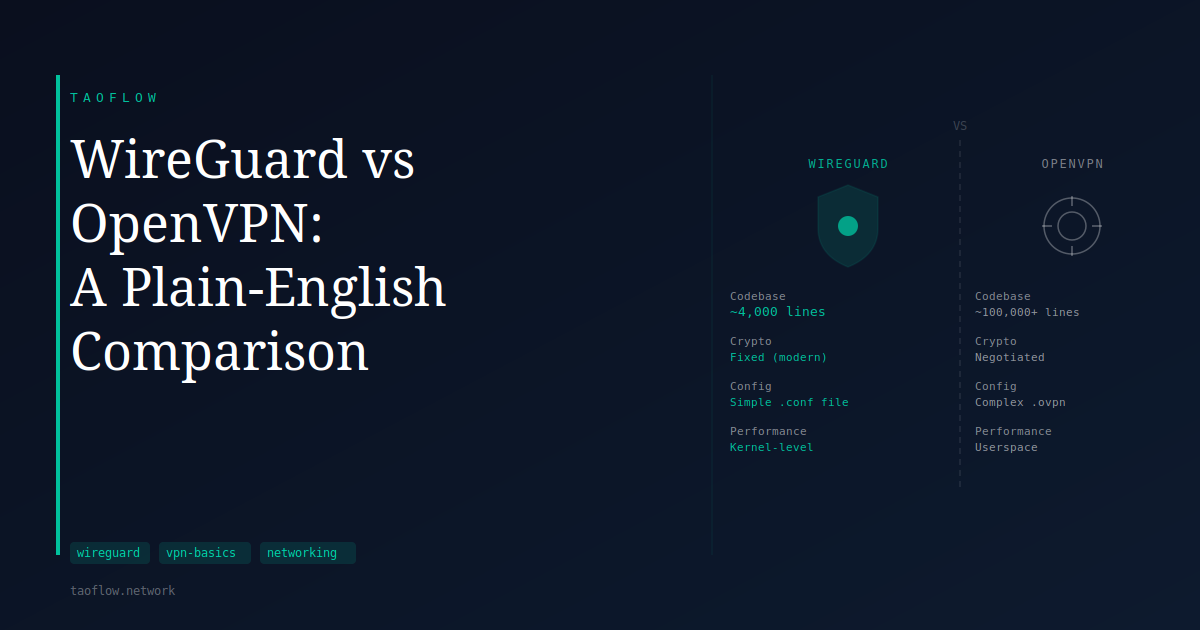
WireGuard vs OpenVPN: A Plain-English Comparison
WireGuard and OpenVPN are both solid VPN protocols — here is how their design, performance, and practical trade-offs compare in plain terms.
No-Logs VPN Policies: What They Mean and What to Look For
No-logs VPN policies vary widely — some cover connection metadata, some only traffic content. Here is how to read them critically and what independent audits actually tell you.
Public Wi-Fi and VPNs: What the Risks Actually Are
Public Wi-Fi carries real risks, but they are different from what most people assume — a VPN addresses some of them while HTTPS already handles others.
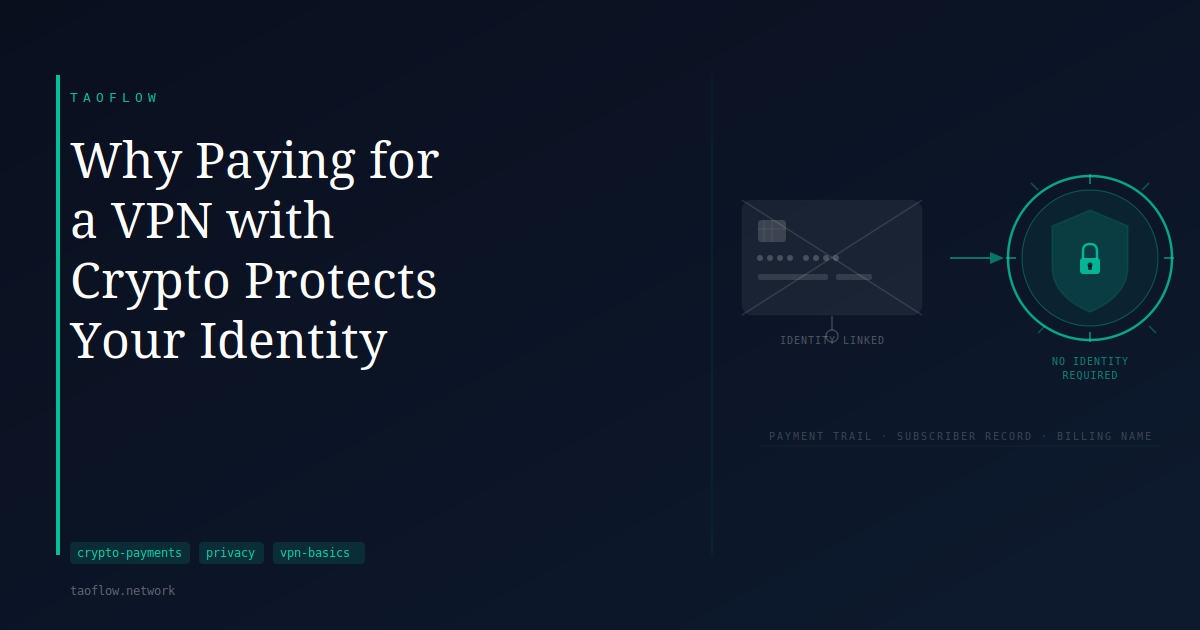
Why Paying for a VPN with Crypto Protects Your Identity
When you pay for a VPN with a card, you leave a billing record tied to your name — paying with cryptocurrency removes that link, though it is not a complete solution on its own.
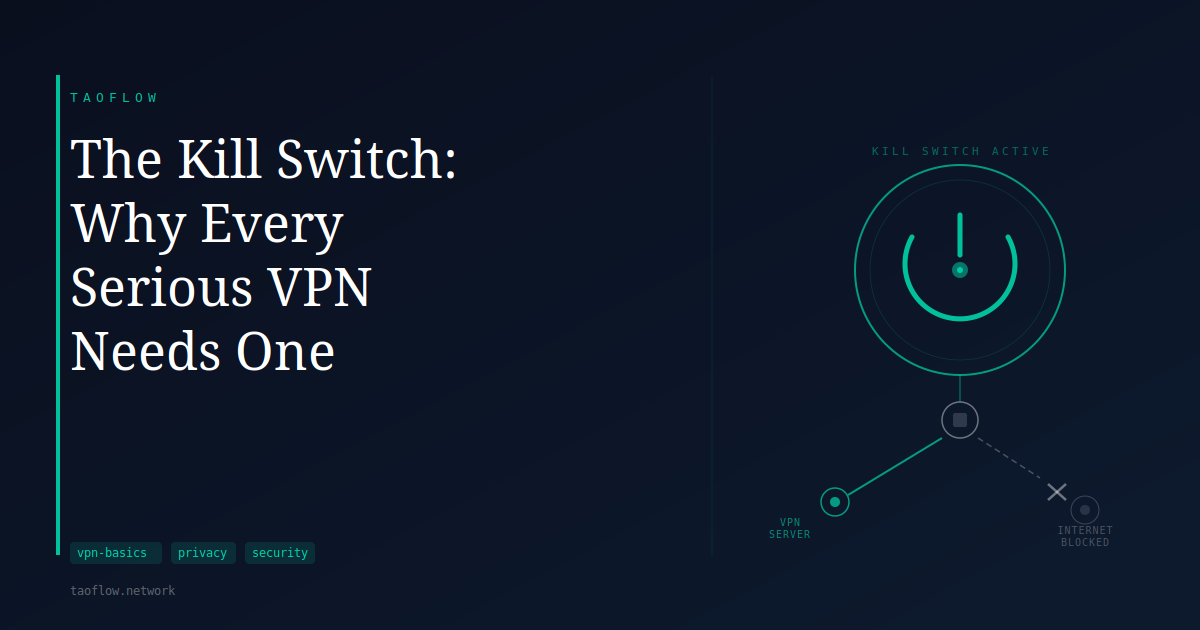
The Kill Switch: Why Every Serious VPN Needs One
A VPN kill switch cuts your internet connection the moment the VPN drops, preventing your real IP from being exposed during reconnection — here is how it works and when it matters.
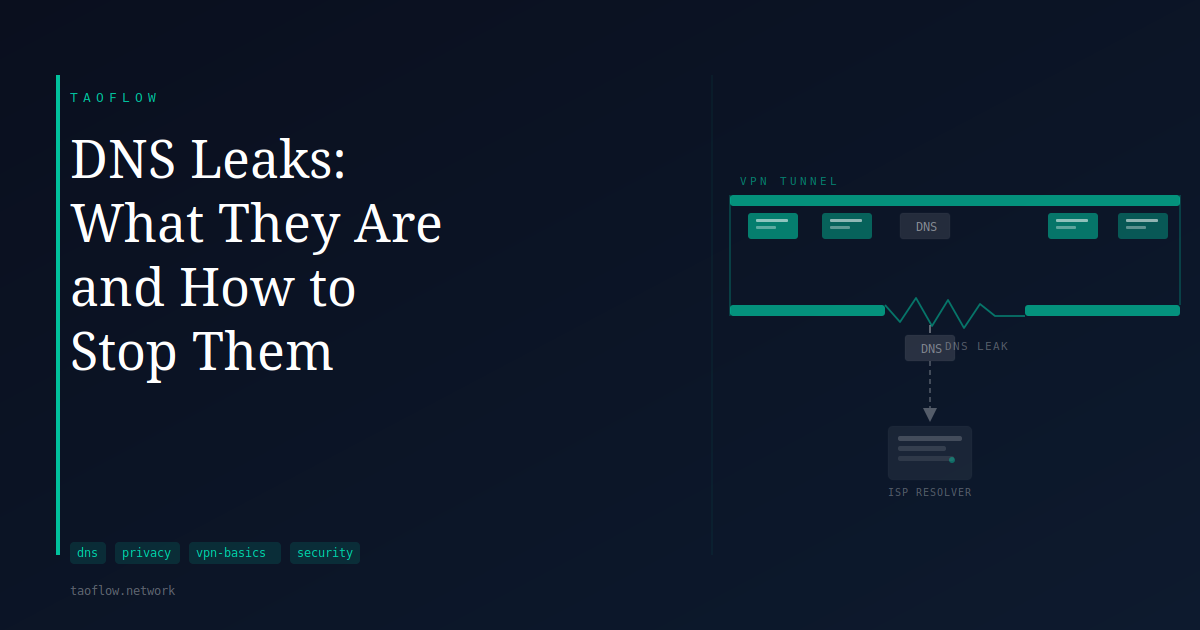
DNS Leaks: What They Are and How to Stop Them
A DNS leak sends your browsing queries to your ISP's resolver even when your VPN is connected — here is what causes it, how to check for it, and how to fix it.
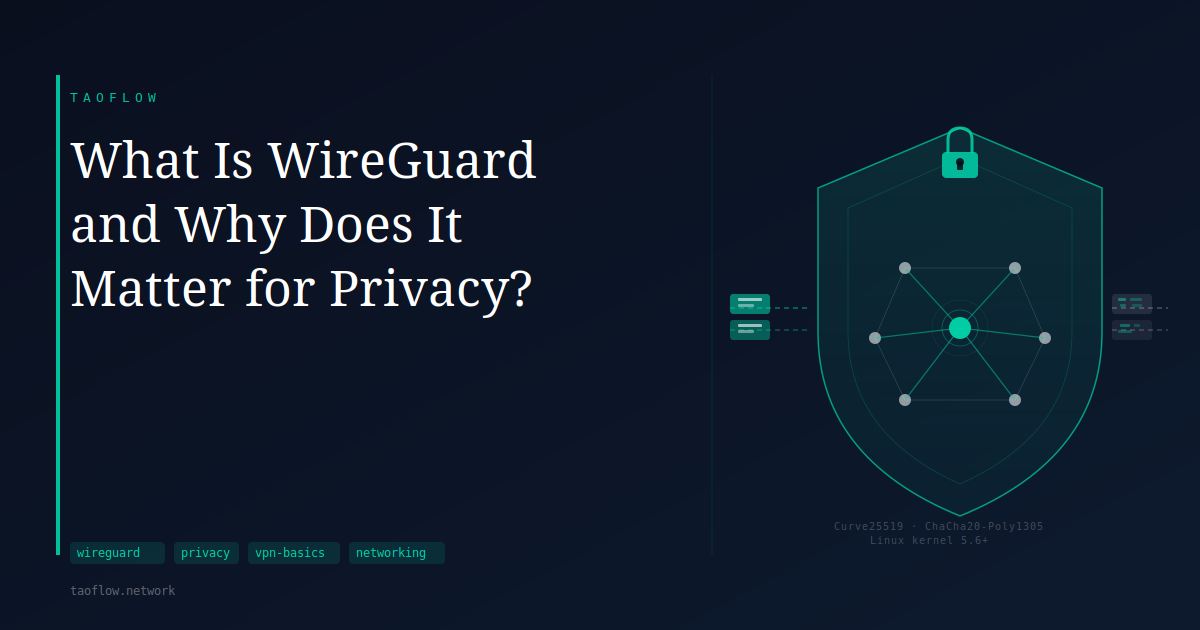
What Is WireGuard and Why Does It Matter for Privacy?
WireGuard is a modern VPN protocol built into the Linux kernel — here is what it actually does and why its design choices affect your privacy.
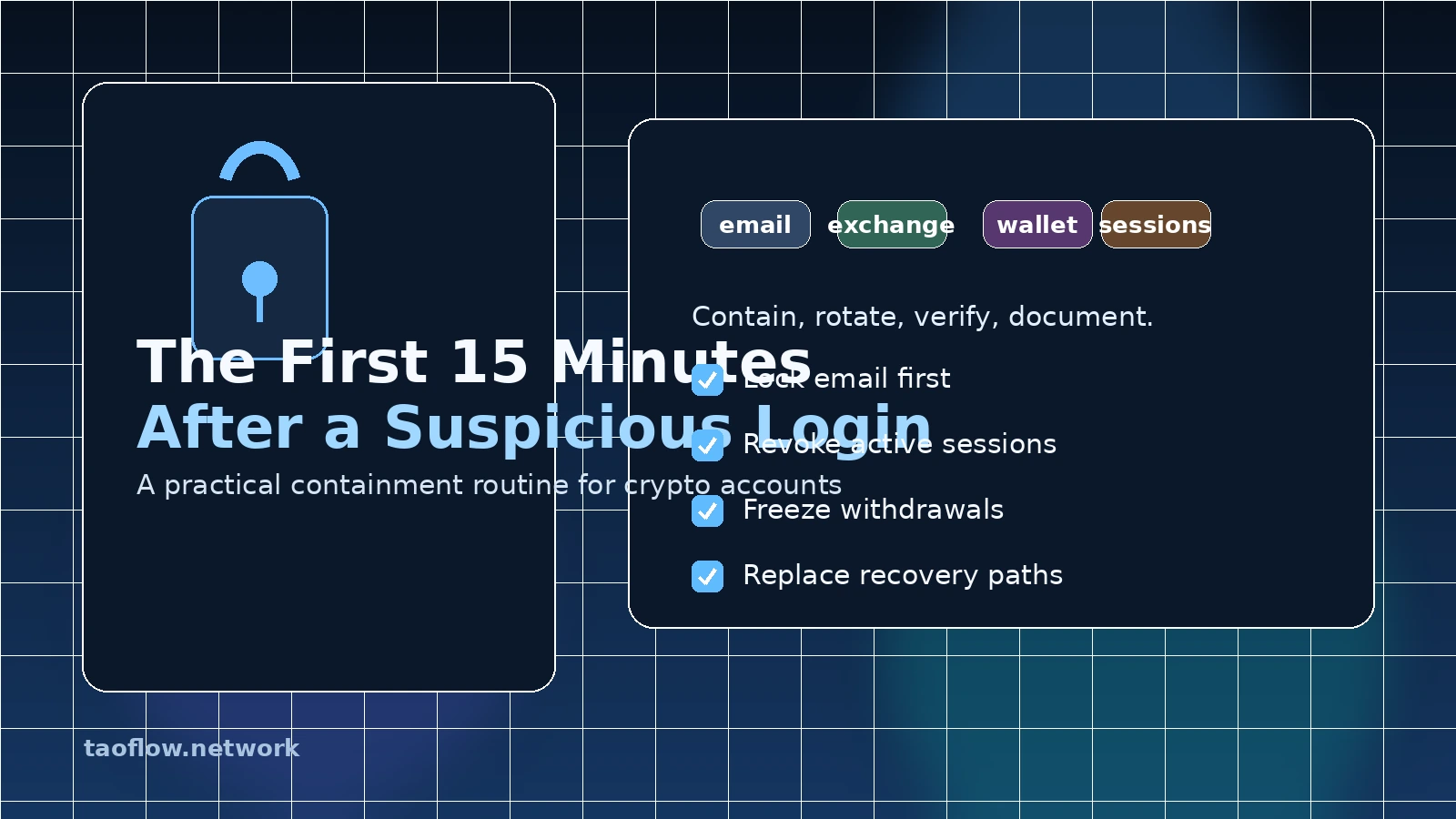
The First 15 Minutes After a Suspicious Login: A Crypto Containment Routine
A practical incident-response routine for crypto users to lock down email, exchanges, wallets, and recovery paths after an unexpected login alert or session anomaly.
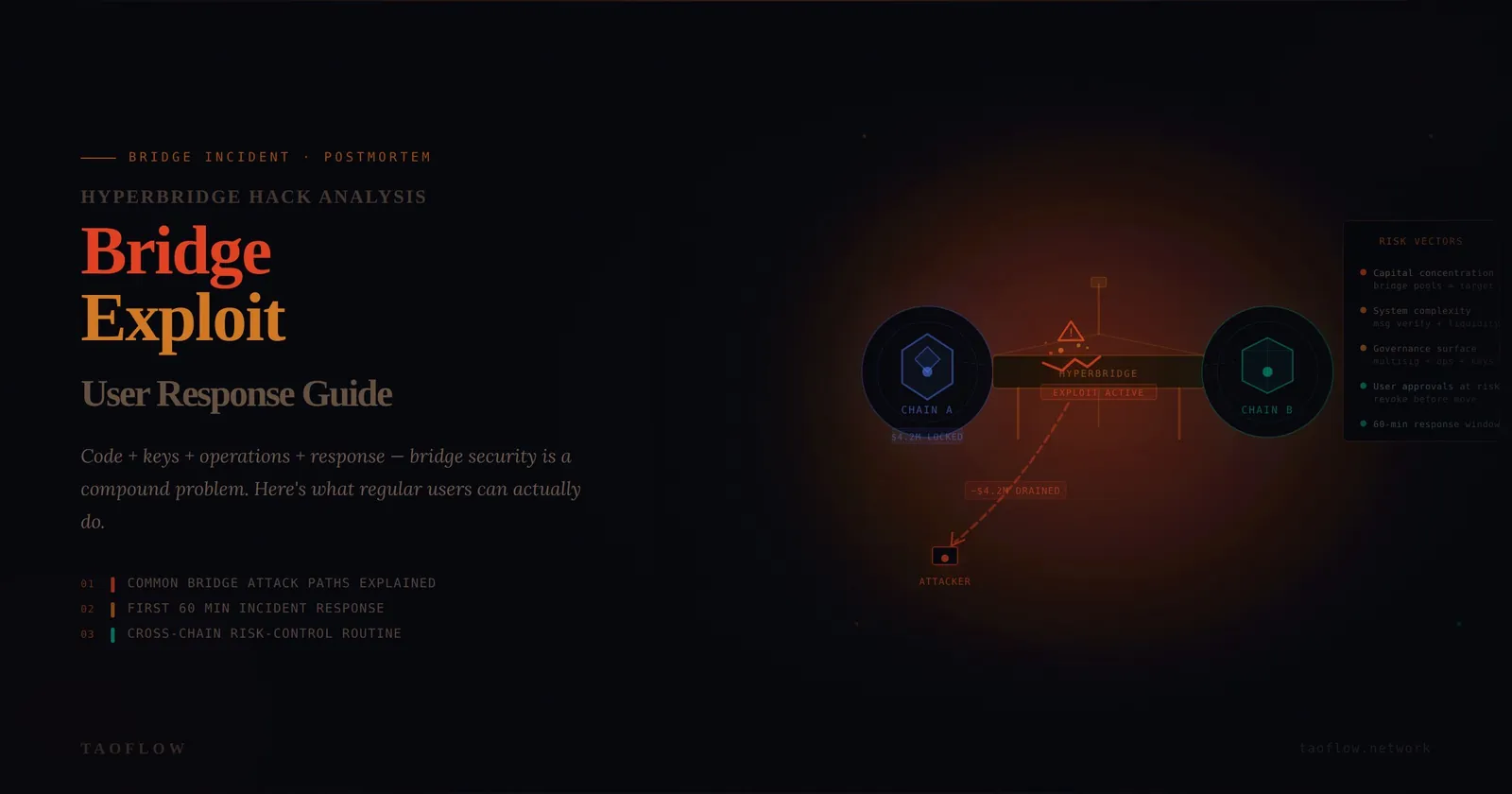
Hyperbridge 被黑事件复盘:普通用户如何把损失概率降到最低
从攻击路径、应急窗口到后续资产与账户隔离,给出一套面向普通链上用户的可执行防御清单。

Verification Workflow: Stop Address Poisoning Before You Send
A practical, step-by-step verification workflow to detect and block address poisoning scams before any crypto transfer, with clear routines for individuals and teams.

Transaction Simulation Verification Workflow Before Every Crypto Send
A practical, repeatable workflow to simulate, verify, and approve crypto transactions safely before funds move—covering wallets, dApps, address integrity, and incident fallback.

Wallet Drain Kill-Switch: A Practical 30-Minute Playbook for High-Risk Users
A step-by-step wallet security drill to reduce losses from phishing and malicious approvals, including pre-incident setup, real-time containment, and post-incident recovery.

Device & Network OpSec Checklist for Crypto Users: A Practical Weekly Routine
A practical, low-drama guide to hardening your devices and network habits for crypto activity, with weekly checks, travel mode, and incident containment steps.

Crypto Metadata Privacy: A Practical Social-Graph Defense Playbook for Wallet Users
A practical guide to reducing social-graph and metadata exposure in crypto workflows, including wallet compartmentalization, timing hygiene, endpoint isolation, and incident response steps.
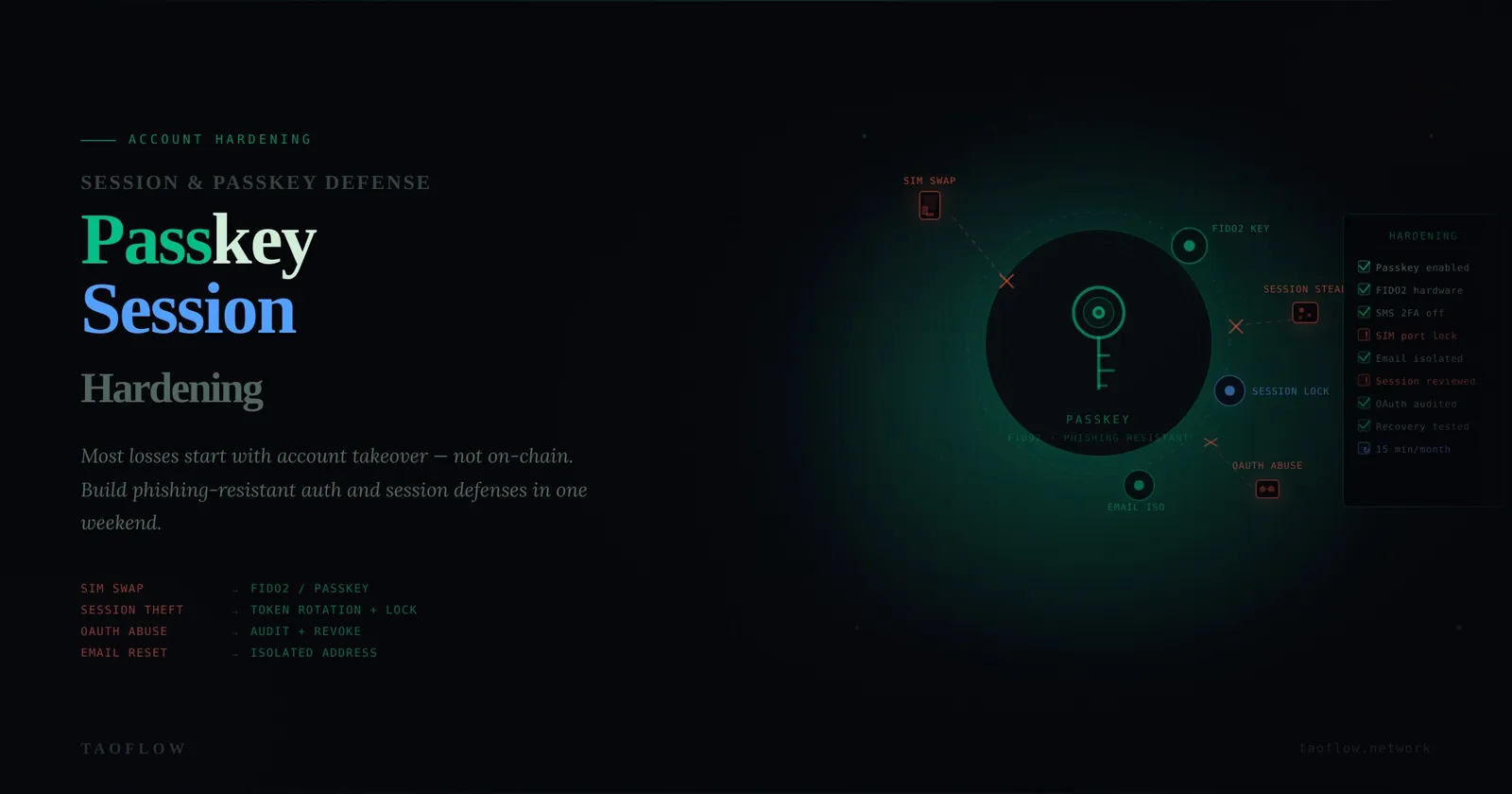
Crypto Account Hardening: A Practical Passkey and Session Defense Checklist
A practical hardening guide for crypto users who want to reduce account takeover risk from SIM swaps, session theft, and OAuth abuse.
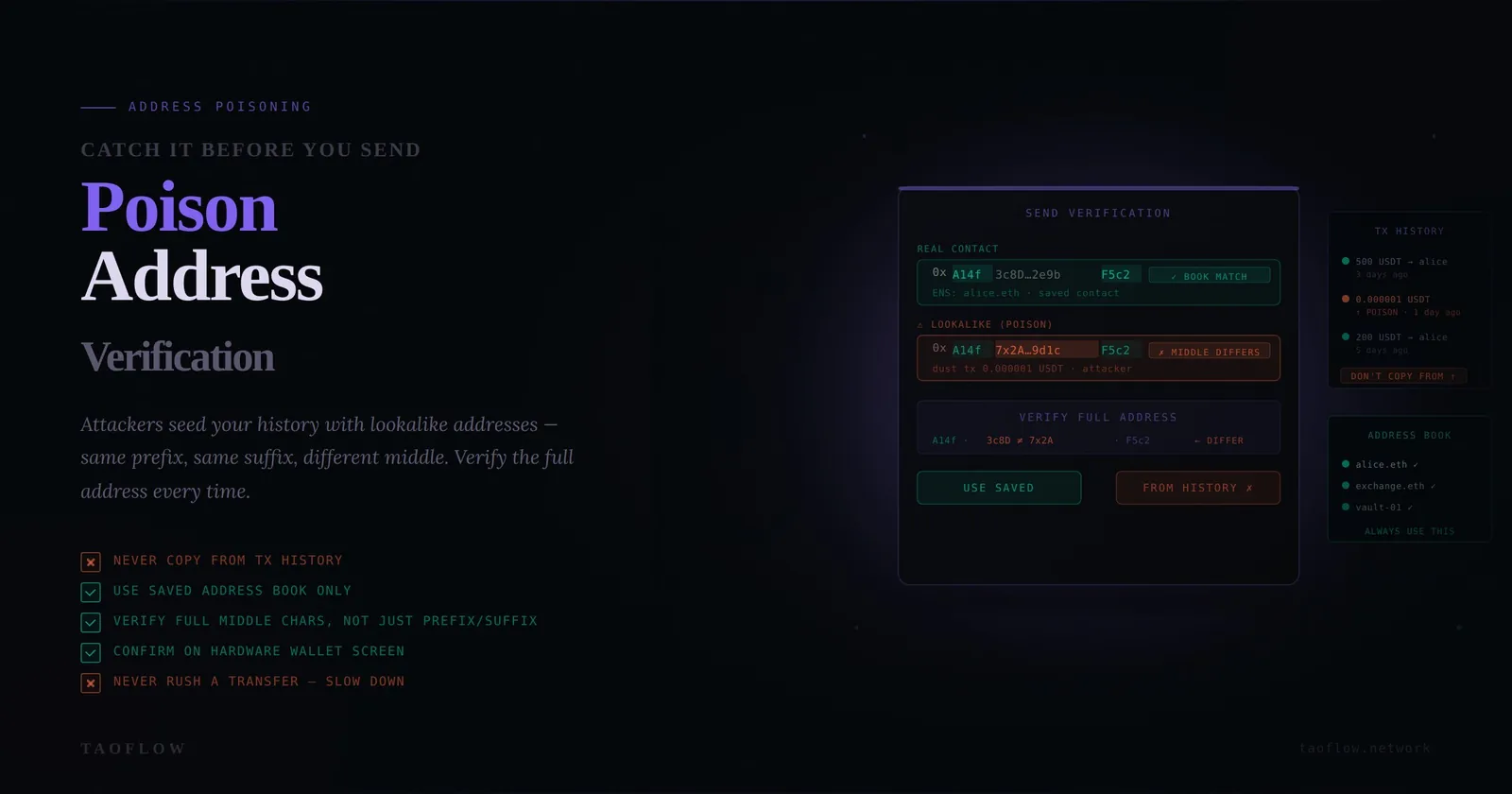
Crypto Verification Workflow: How to Catch Address Poisoning Before You Send
A practical verification workflow to prevent address poisoning mistakes in crypto transfers, with checklists you can run in under two minutes.

Crypto Incident Response: A 24-Hour Containment Checklist After a Suspicious Signature
A practical, step-by-step response plan for the first 24 hours after you sign something suspicious—contain damage, preserve evidence, and recover safely.

Crypto Phishing Defense: The Two-Channel Rule Before Every Wallet Signature
A practical anti-phishing workflow for crypto users: verify links, contracts, and requests through independent channels before signing anything.

Crypto Metadata Hygiene: A Practical Guide to Reducing Wallet Linkability
A hands-on security guide for crypto users to reduce metadata leaks that connect wallets, identities, devices, and daily behavior.
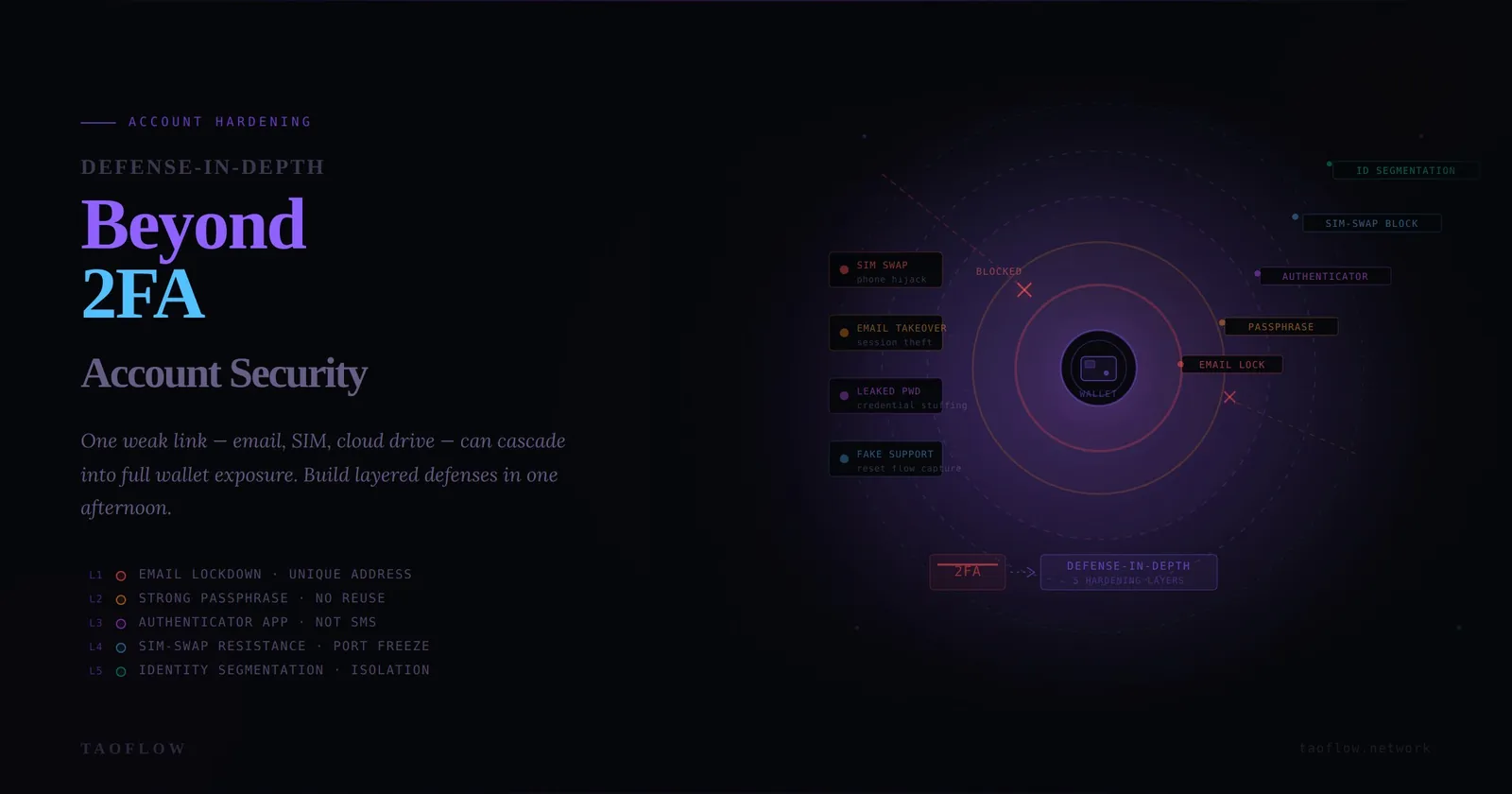
Crypto Account Hardening Beyond 2FA: A Practical Defense-in-Depth Guide
A practical account hardening playbook for crypto users: stronger MFA, SIM-swap resistance, identity segmentation, and monthly takeover-prevention routines.

Crypto Verification Workflow: A 10-Minute Routine Before You Sign Anything
A practical verification workflow for crypto users to detect phishing, malicious approvals, and address poisoning before signing transactions.

Wallet Recovery Readiness: A Practical Drill Before Your Next Incident
A step-by-step recovery drill for crypto users: validate backups, reduce single points of failure, and rehearse incident response before a real wallet emergency.
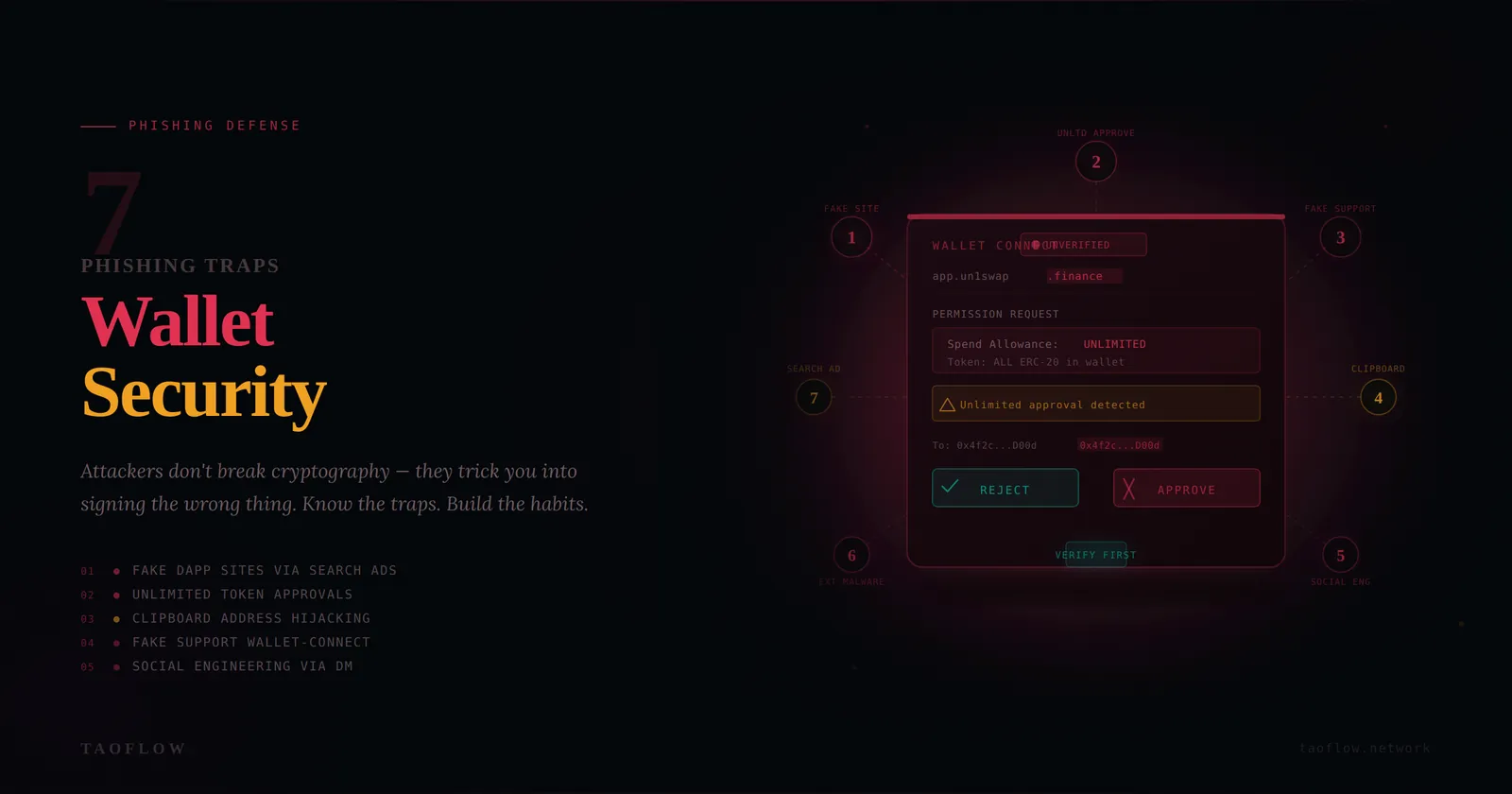
Wallet Security for Crypto Users: 7 Phishing Traps and How to Beat Them
A practical, checklist-first guide to spotting modern wallet phishing traps, verifying transactions safely, and building habits that prevent costly mistakes.
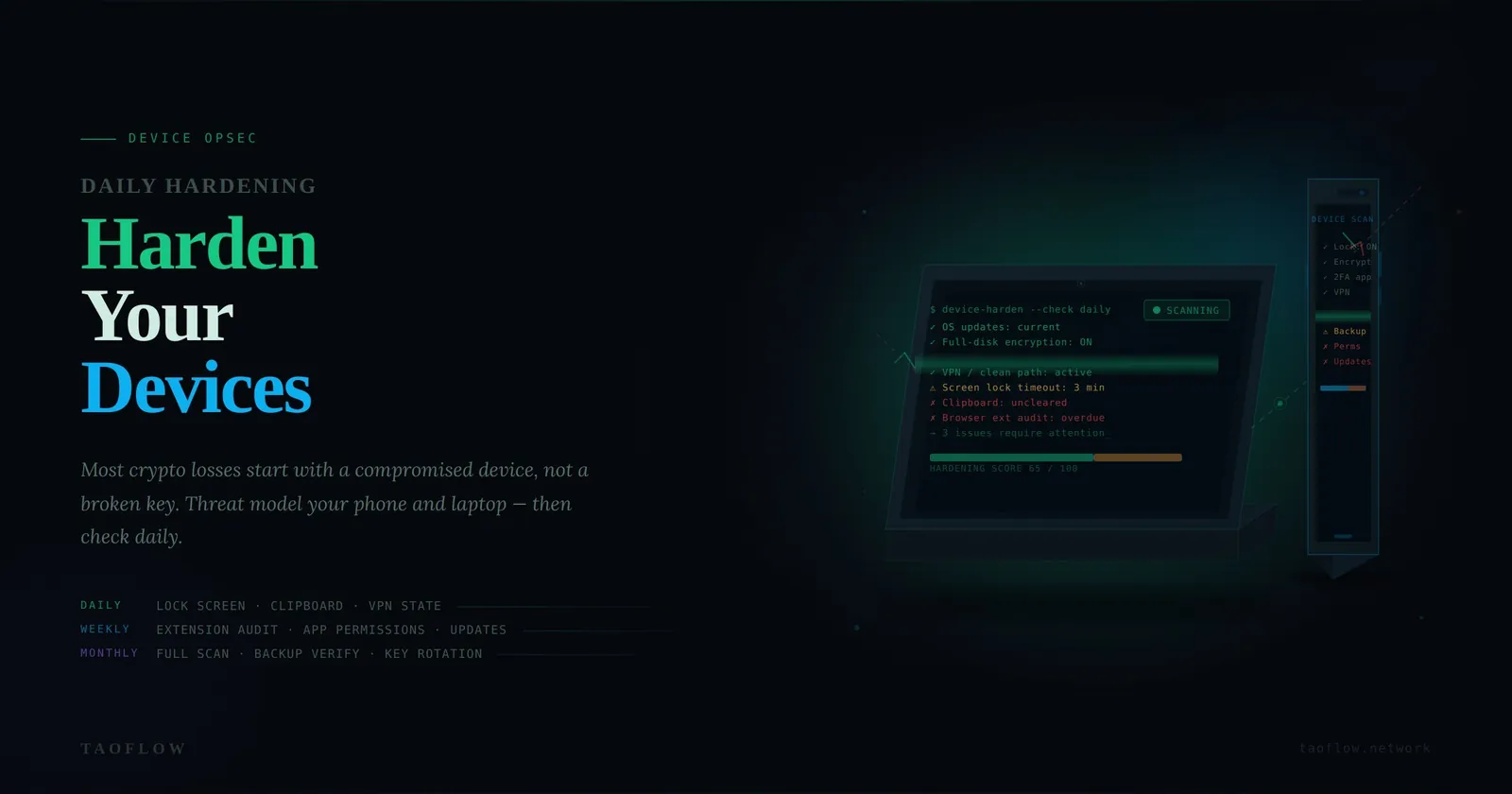
Device OpSec for Crypto Users: A Practical Daily Hardening Checklist
A practical guide to securing your phone and laptop for crypto use, with threat models, quick checks, and incident-response habits you can apply today.
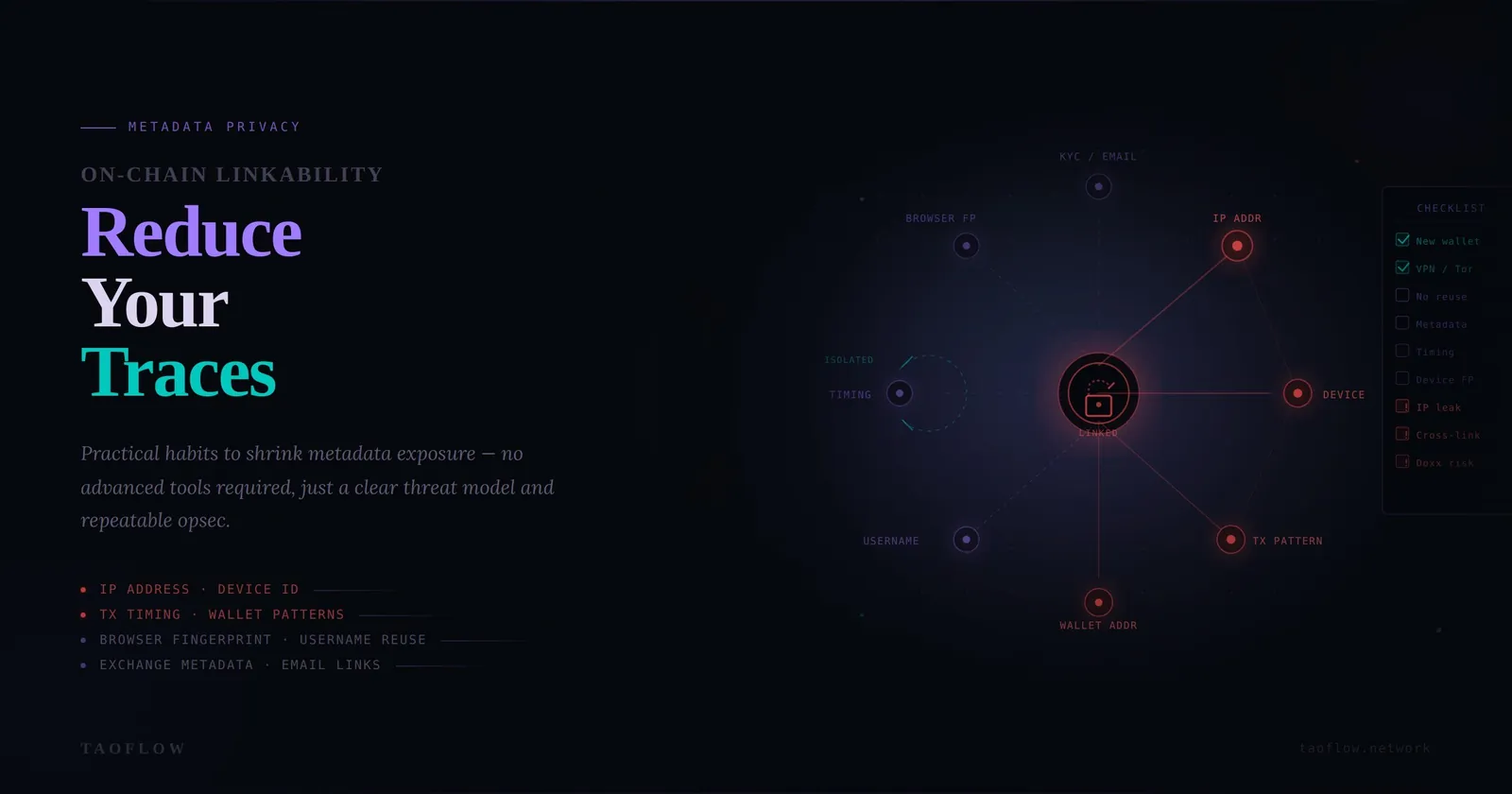
Crypto Metadata Privacy Checklist: Reduce Your On-Chain Linkability Without Advanced Tools
A practical guide to metadata privacy for crypto users: threat model your traces, shrink linkability across wallets and devices, and build daily habits that reduce exposure.

Crypto Incident Response Playbook: The First 60 Minutes After a Wallet Compromise
A practical, step-by-step incident response workflow for crypto users: contain damage, preserve evidence, protect accounts, and recover safely after a wallet compromise.
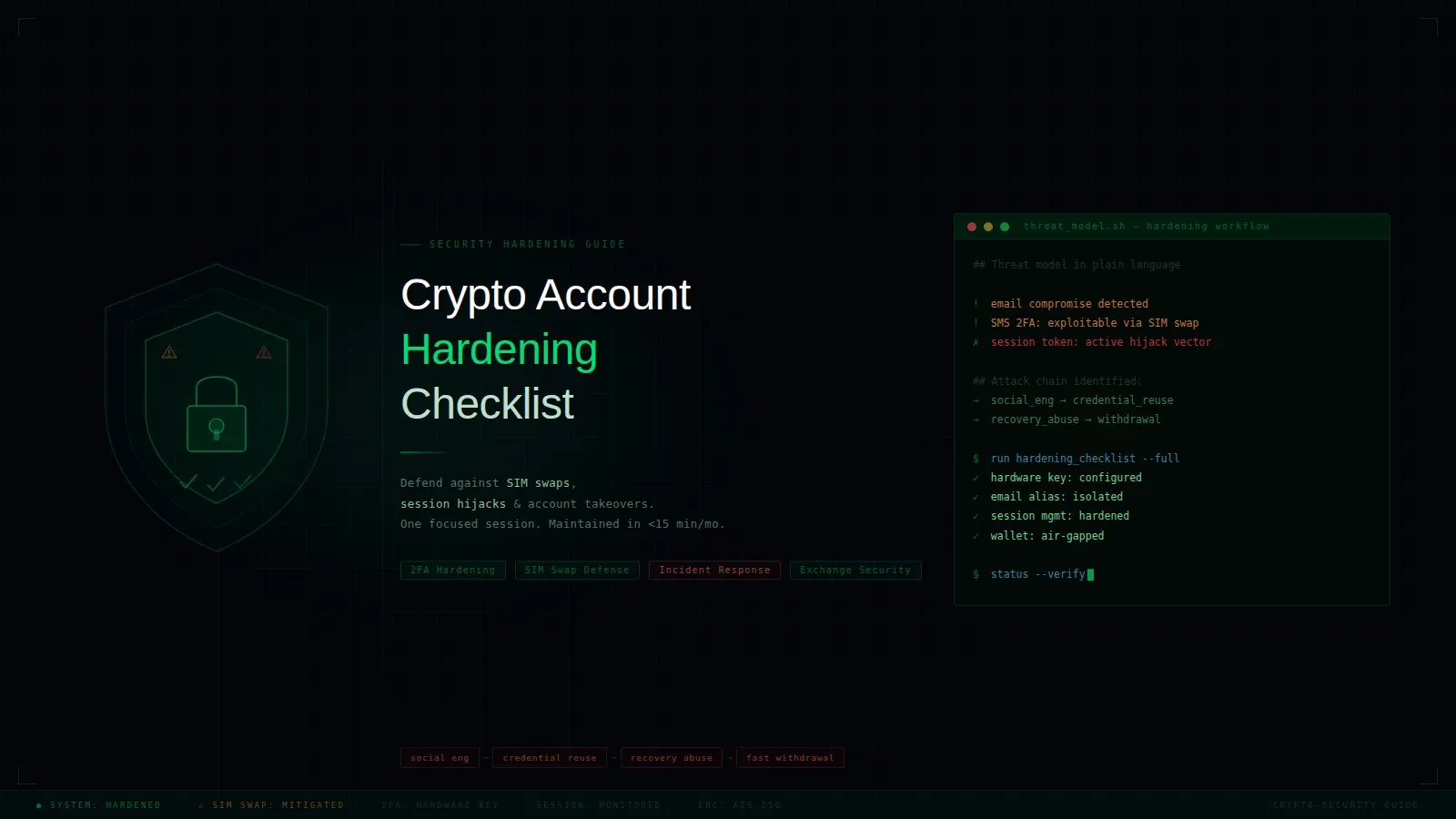
Crypto Account Hardening Checklist: Defend Against SIM Swaps and Session Hijacks
A practical, step-by-step hardening guide for crypto users to reduce account takeover risk across email, exchange, wallet, and mobile recovery paths.
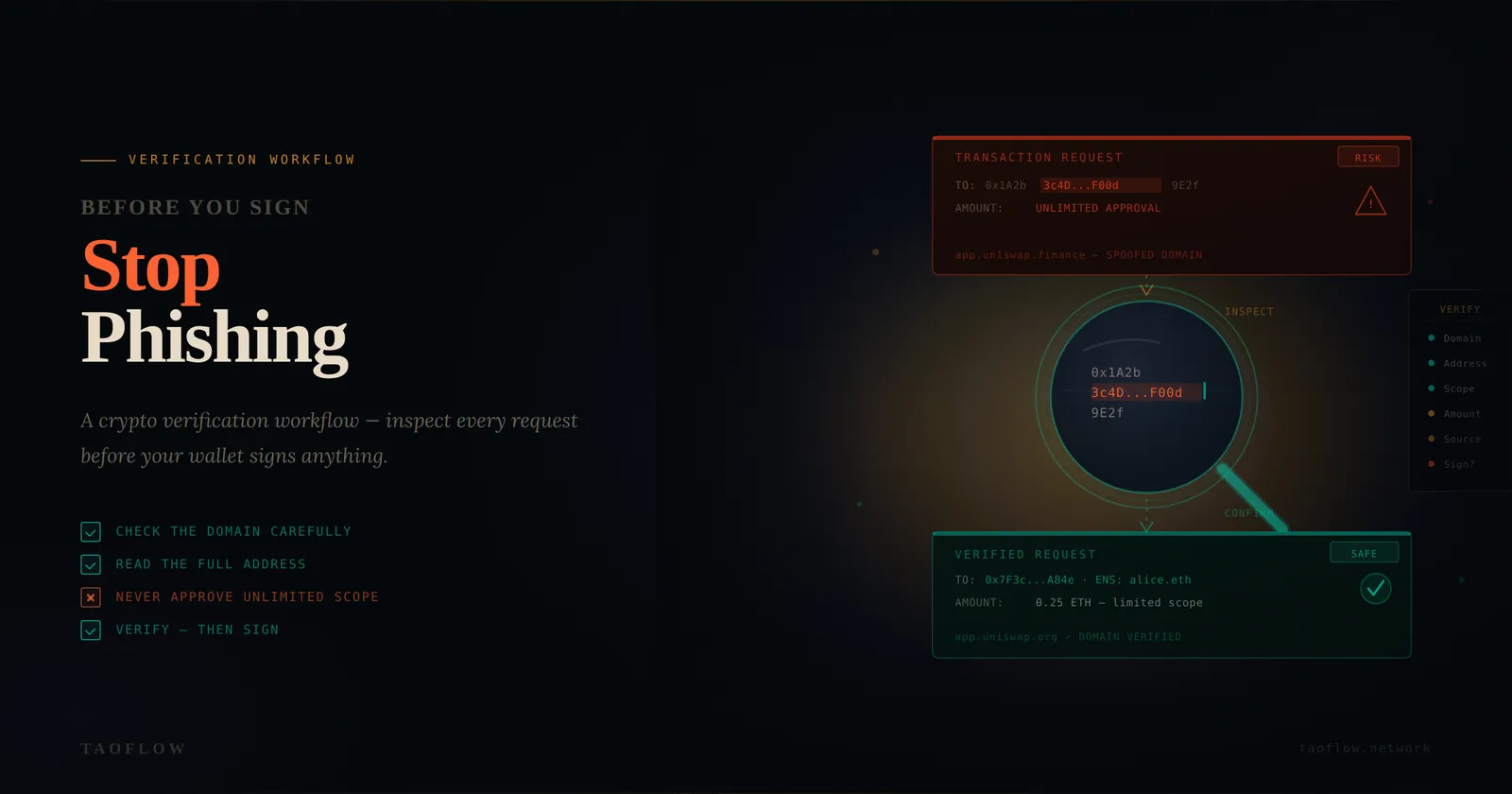
A Crypto Verification Workflow: Stop Phishing Before You Sign
A practical, step-by-step verification routine for crypto users to detect phishing, malicious approvals, and fake urgency before signing any transaction.
Crypto Privacy Basics: Threat Models and 7 Daily OpSec Habits
A practical, non-promotional guide to personal security and privacy for crypto users: threat modeling, wallet hygiene, phishing defense, and safer daily habits.
No-Signup VPN for Crypto Wallet Users: A 3-Step Private Access Workflow
A practical, wallet-first guide for people who already use crypto and want private web access fast—no account creation, no setup marathon, just direct purchase and direct use.
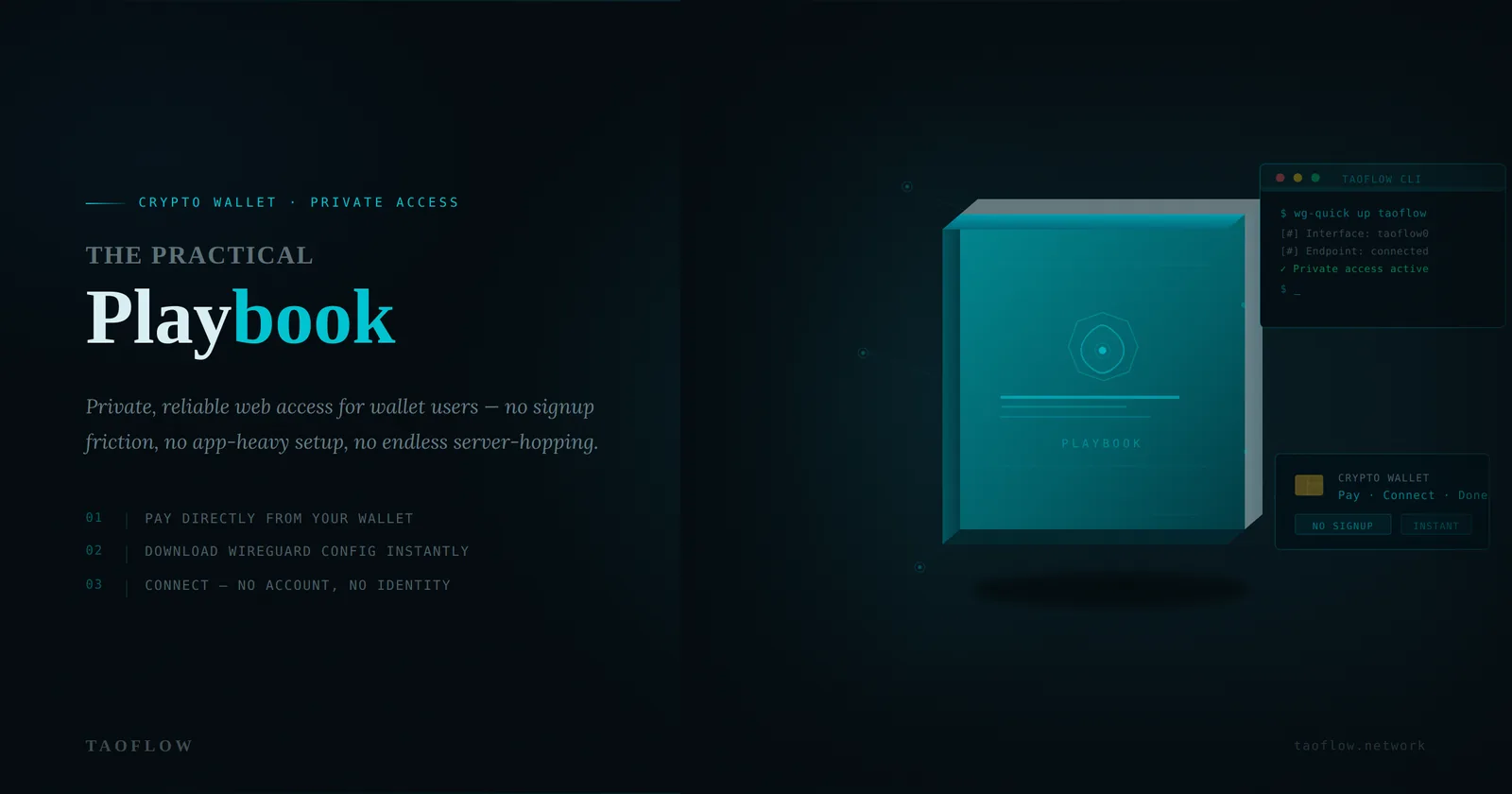
Stop Server-Hopping: A Wallet-First Playbook for Private Web Access in 2026
A practical playbook for crypto wallet users who want private, reliable web access without signup friction, app-heavy VPN setup, or endless server-hopping.
Stablecoin Privacy in 2026: How to Access the Open Web Without VPN Setup Friction
Beyond VPN Setup: A Crypto-Native Way to Access the Open Web in 2026
Already using a crypto wallet but tired of VPN setup and account friction? Learn how a no-signup, direct-purchase, direct-use model gives you private web access with context-aware browsing in minutes.
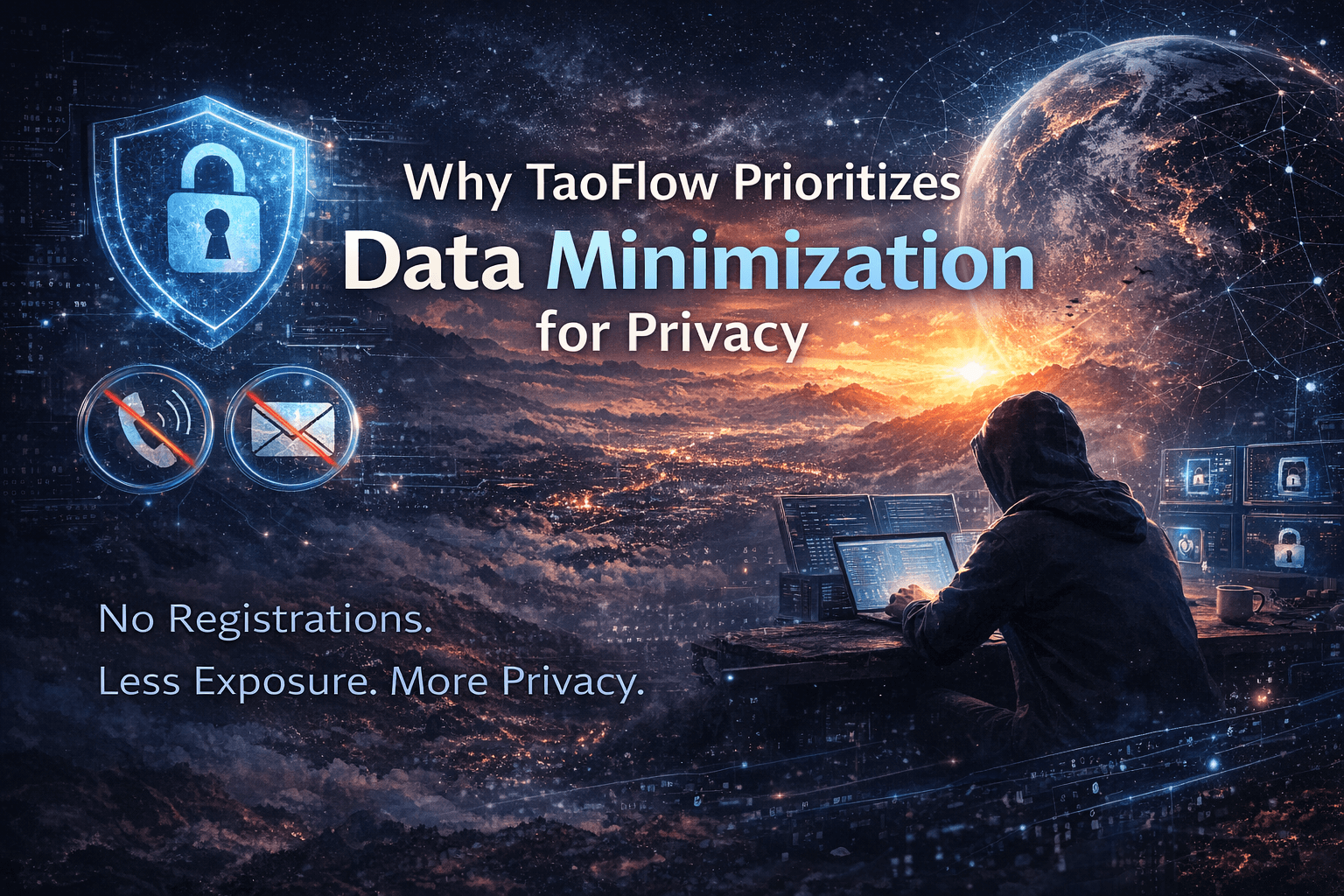
Why TaoFlow Chooses Registration-Free Purchase
In the VPN and privacy-service industry, many platforms require users to register with an email address or phone number before purchase. While this looks standard, it conflicts with a core privacy principle: the more identity data you collect, the higher the risk of leakage and cross-platform correlation.

Why I Created TaoFlow
On today’s internet, access is often treated as something ordinary. Open a browser. Visit a site. Read, learn, communicate. For many people, that feels normal. But the more I thought about it, the more I realized that for many others, it is not normal at all. Some people live in environments where information is limited.